Classic Route I (Nangan, Beigan, and Juguang)
258
- Last Updated:2025-11-26
- |


.png)
Featured Itineraries
Nature、Culture
Itinerary Type
3-day Package
Recommended For
Nature lovers, visitors interested in military history & culture, family travelers, light hiking & trail enthusiasts, photography enthusiasts
Recommended Route
Itinerary Overview
Due to Matsu’s unique geographical location, the islands transformed from simple fishing villages into important military strongholds. For decades, the region was sealed off by wartime administration until restrictions were lifted in 1992, and tourism officially opened in 1994. Today, its distinctive wartime landscape and countless legendary stories continue to fascinate visitors.
Day1|Beigan
Yang Gong Ba Shi Temple (Hou’ao Village)
“Yang Gong Ba Shi Temple” is an important religious center in the village. Legend says that Yang Gong Ba Shi was harmed by an evil dragon, which is why the temple intentionally features no dragon motifs in its decorations.
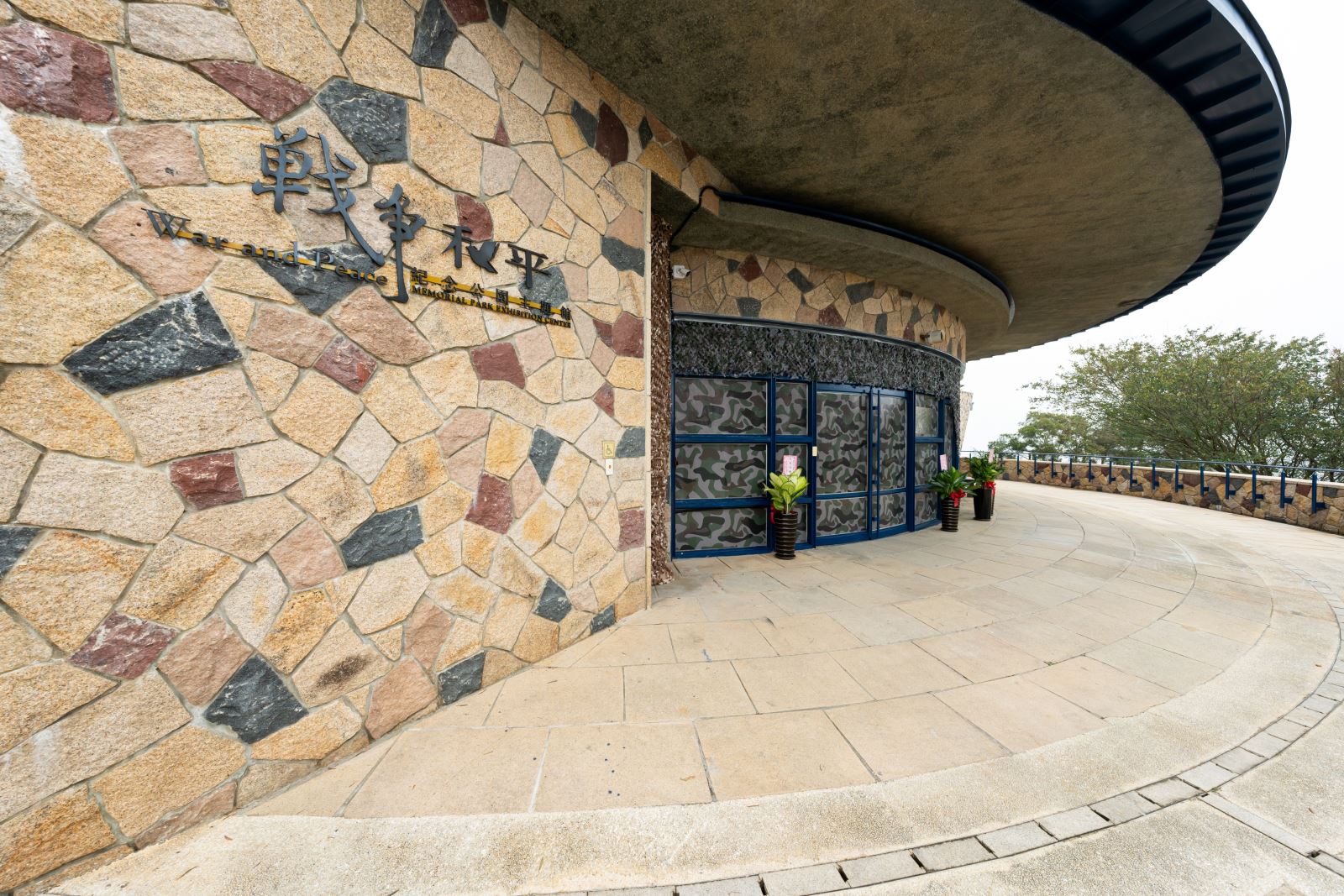
War and Peace Memorial Park
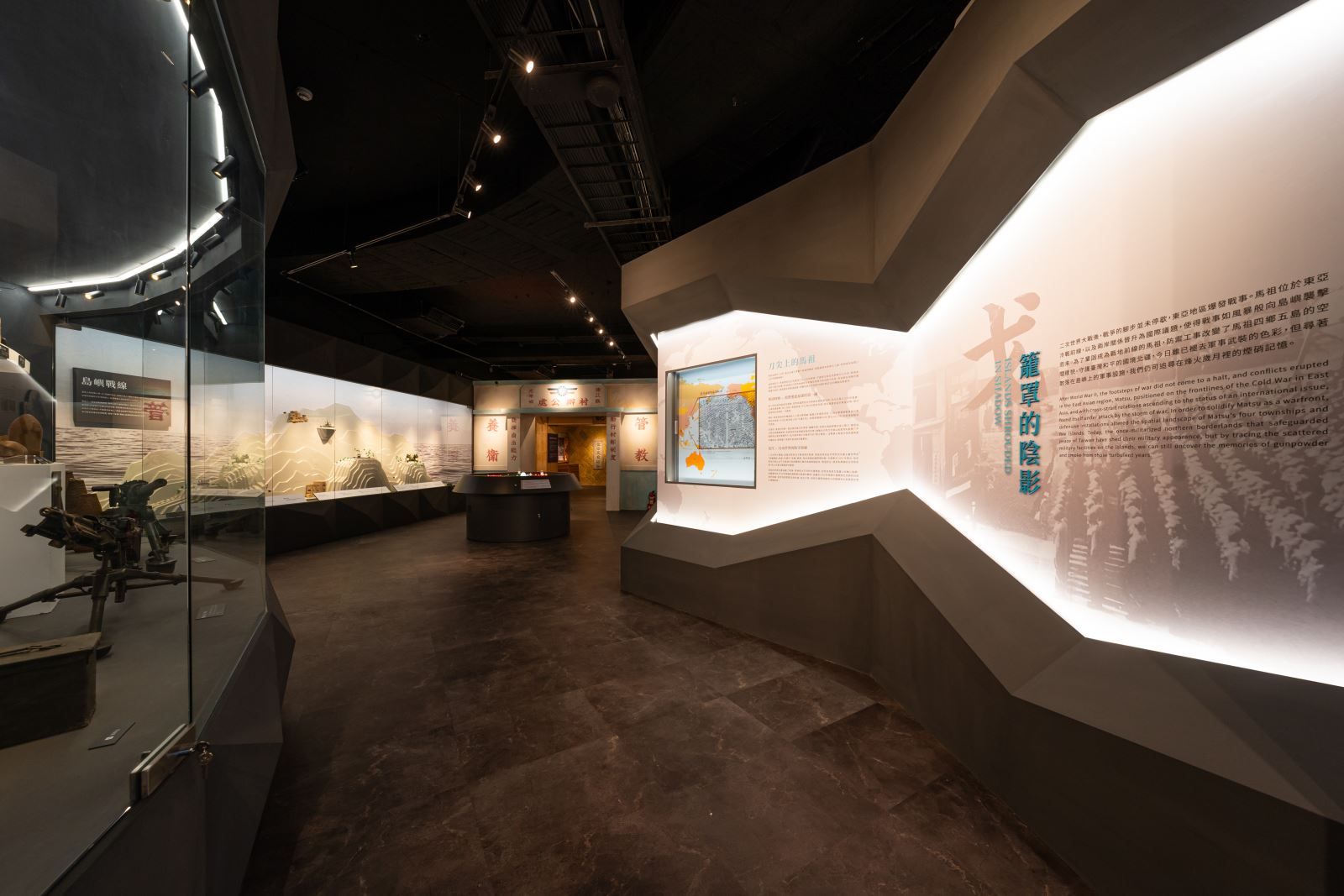
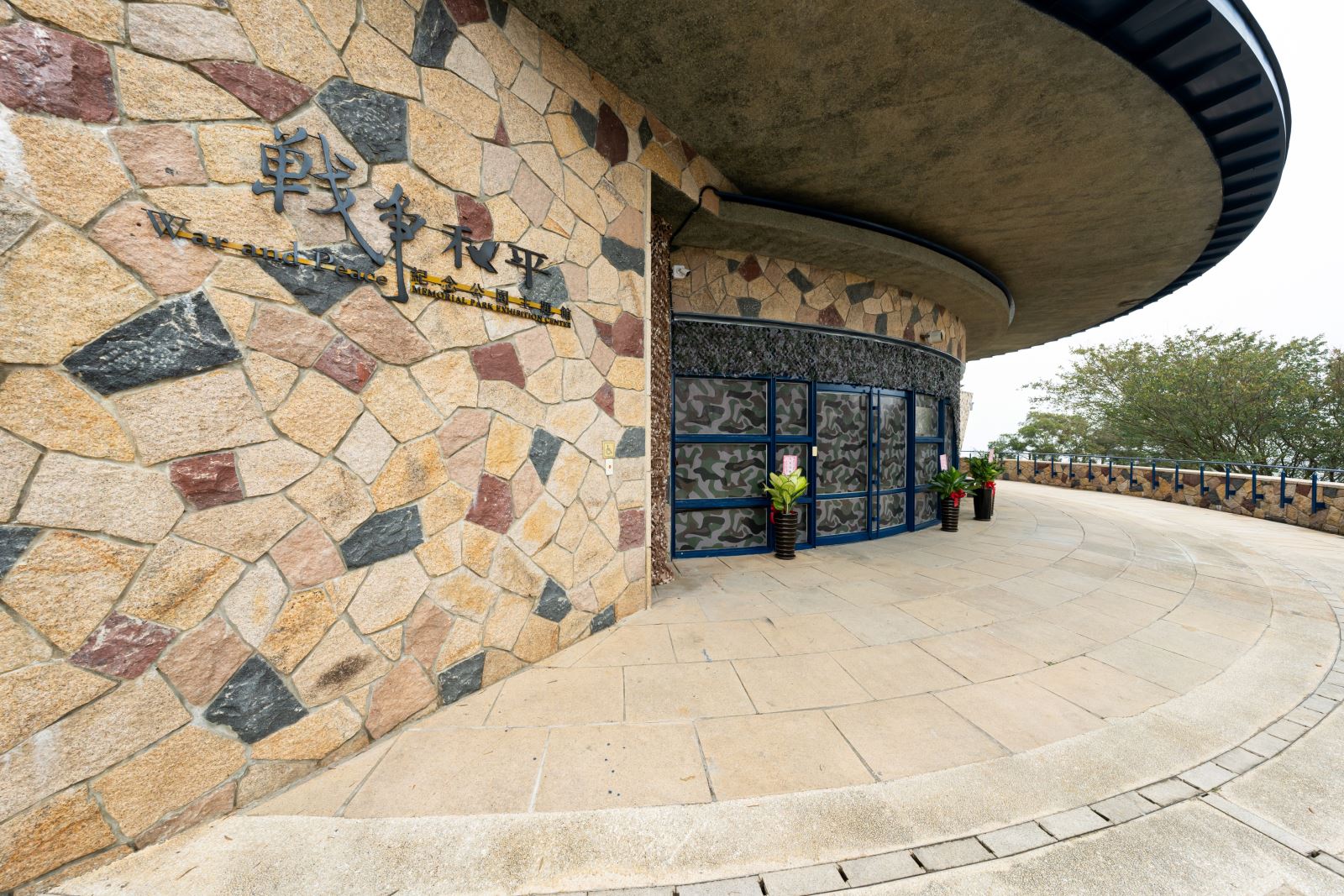
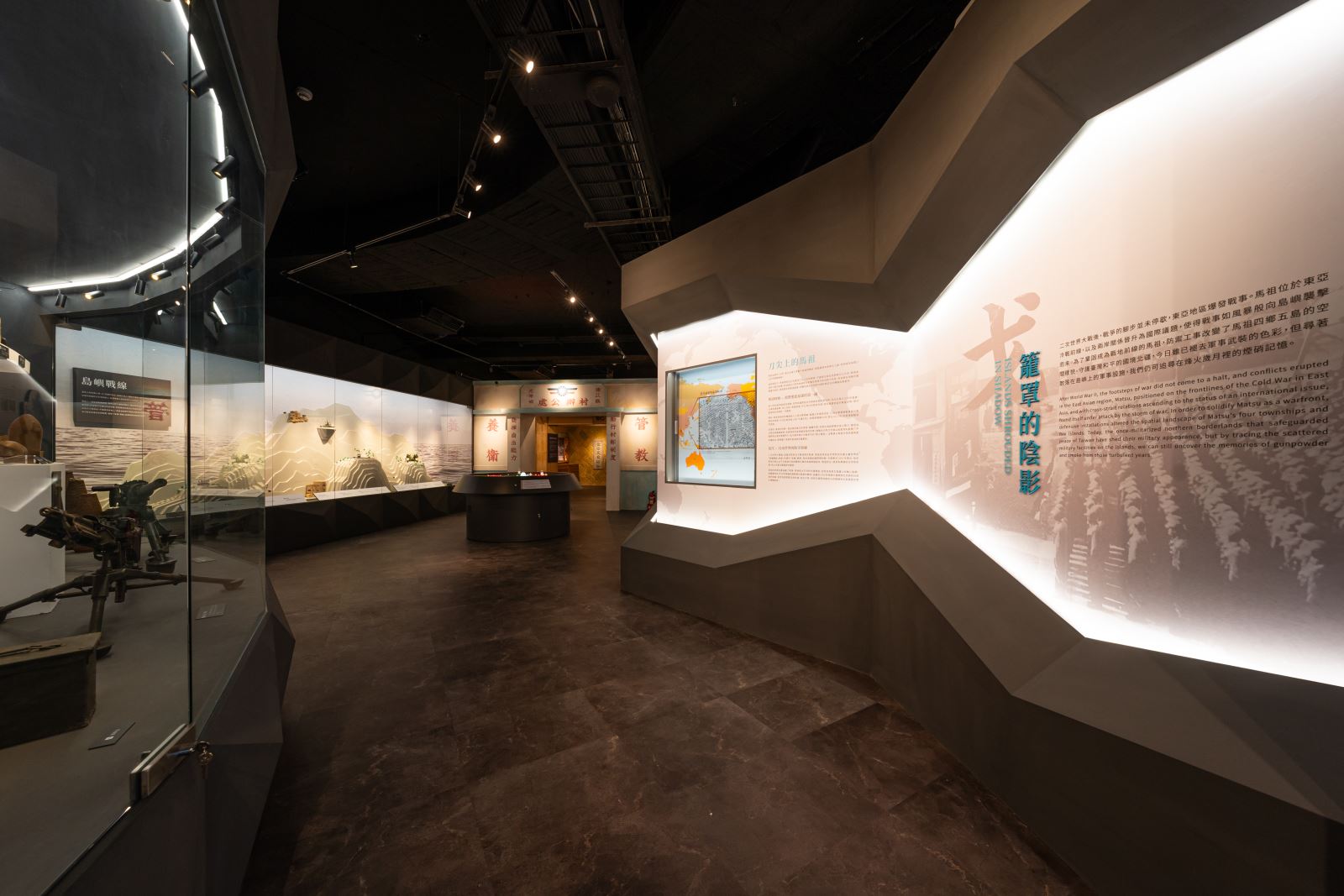
Officially inaugurated on March 29, 2010, the museum is themed around “Touching Moments & Memories,” presenting the shared history between the military and local civilians, it reopened to the public on February 28, 2024, featuring enhanced exhibits and updated facilities.
Bishan Thousand Steps
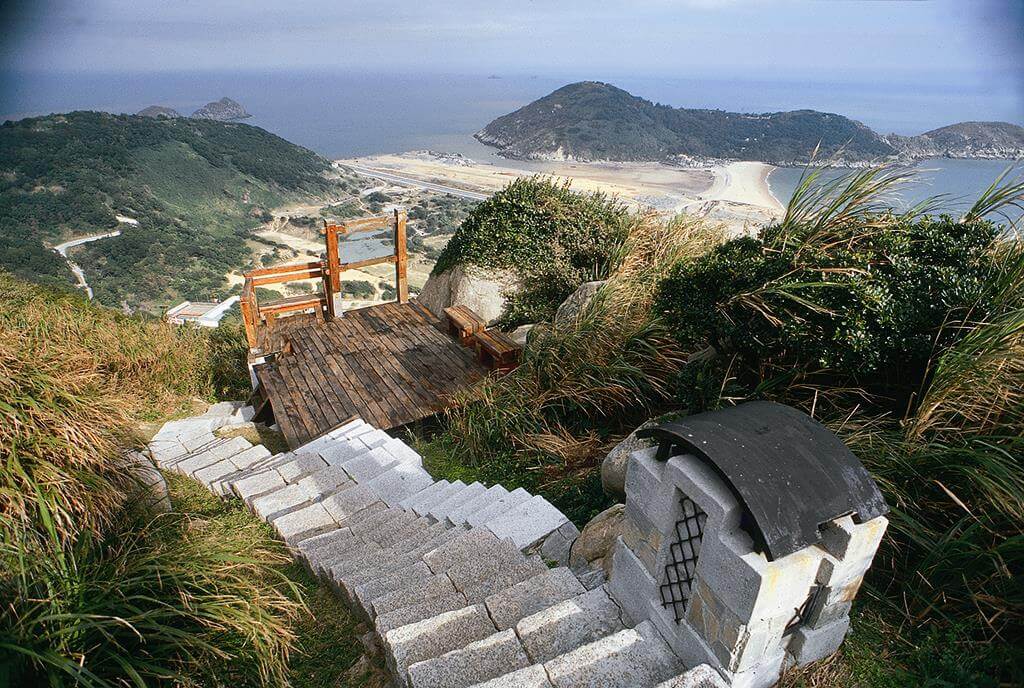
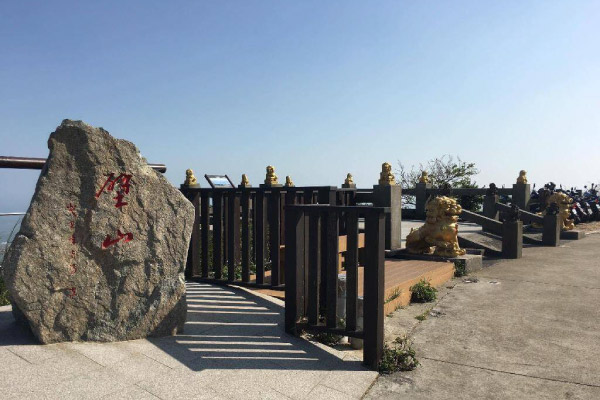
Bishan is the highest peak in Matsu at 298 meters above sea level. Its trail of more than 1,400 steps is considered the most challenging hiking route in the entire archipelago.
Qinbi Village
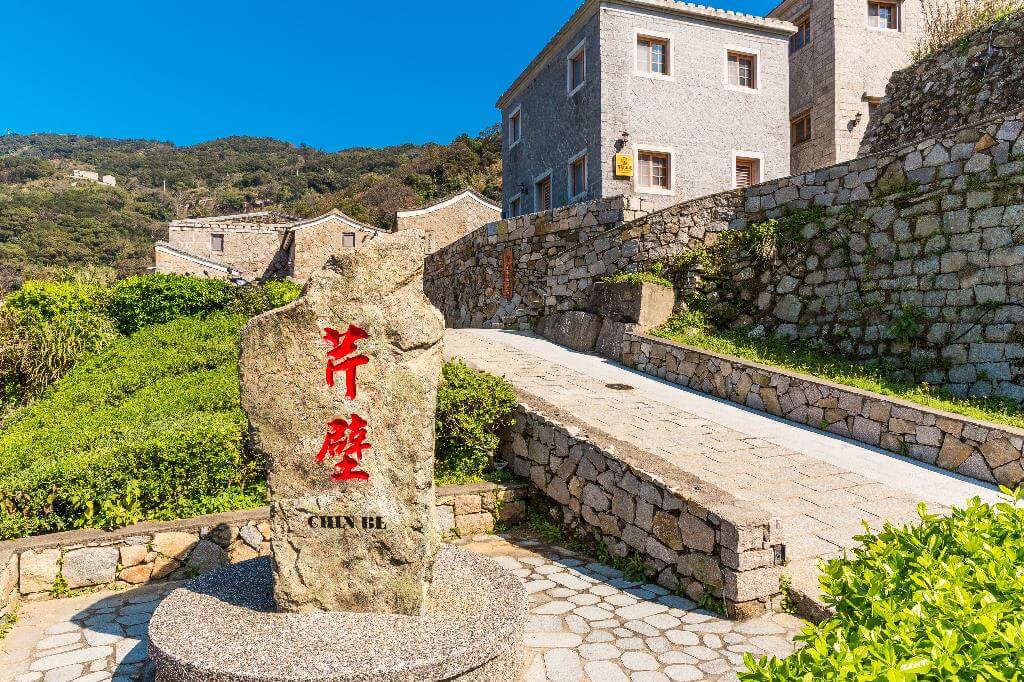
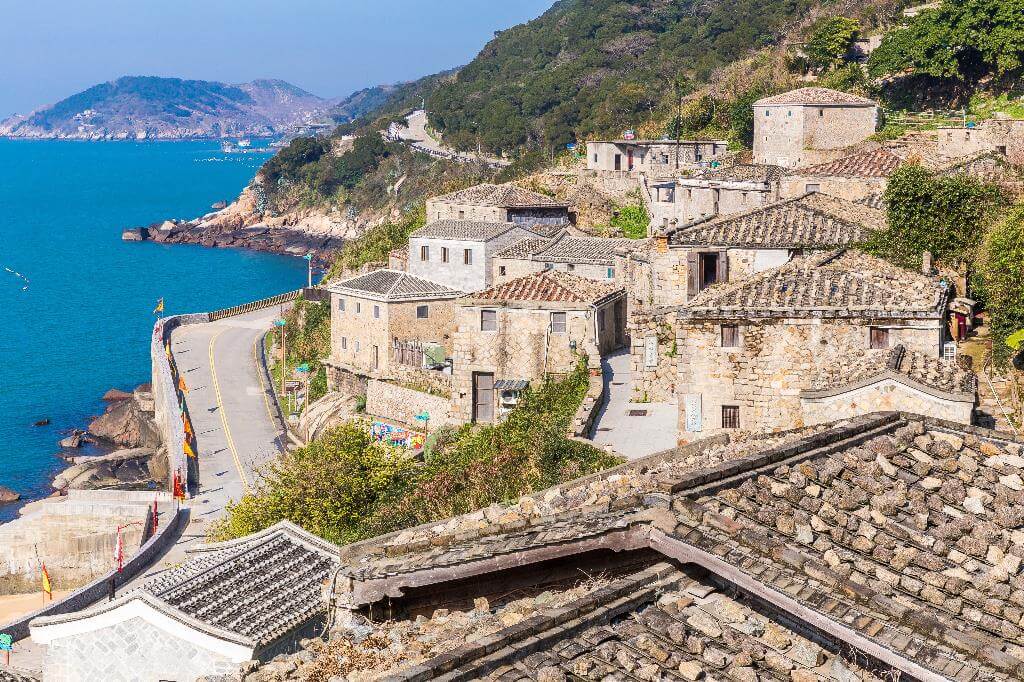
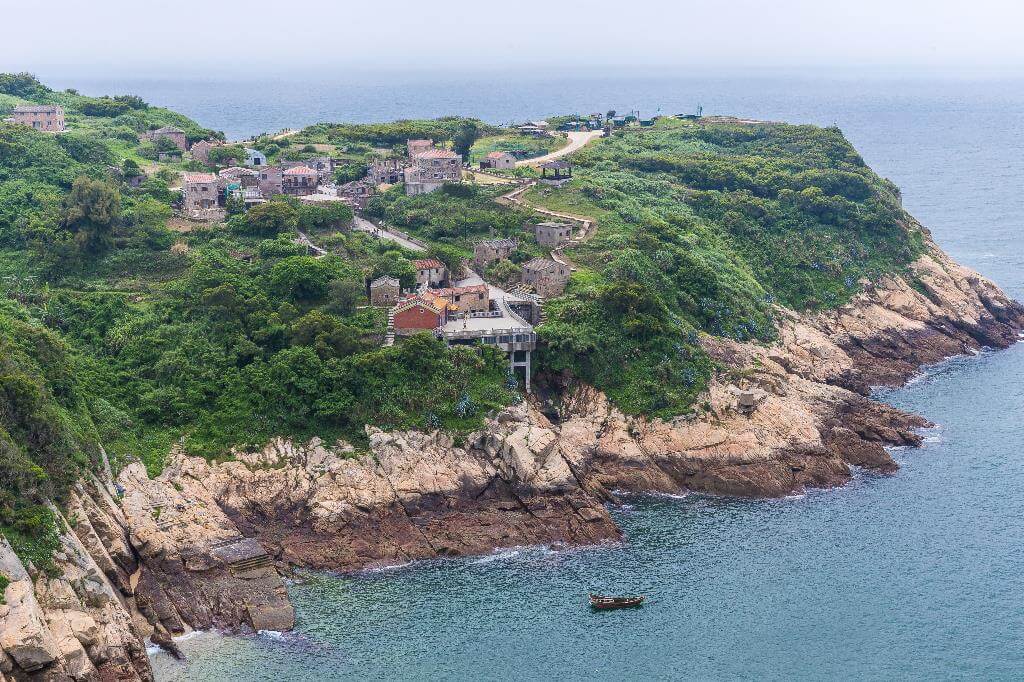
Located in northern Beigan Island, Qinbi Village has several stories behind its name. Built along the slope of Mount Qin, the village uses local stone and seashell materials. Many say, “If you have money, go to Greece; if not, come to Matsu!”—referring to the village’s Greek-like stone-house aesthetics. Its traditional Mindong-style stone houses are currently being nominated for UNESCO World Heritage status.
Day2|Juguang
Dongju Island Lighthouse
Built in 1872 during the Qing Dynasty, this lighthouse was designated a Grade II historic monument in 1988 (now a national monument). Dongju Lighthouse was the first in Taiwan constructed with granite, standing at 19.5 meters high. Its light, reflected through a crystal lens, reaches up to 16.7 nautical miles (about 31 km). On the grassland connecting the lighthouse and office stands a 30-meter-long white windbreak wall, built to shield lighthouse keepers from strong winds when carrying kerosene lamps.
Fuzheng Beach
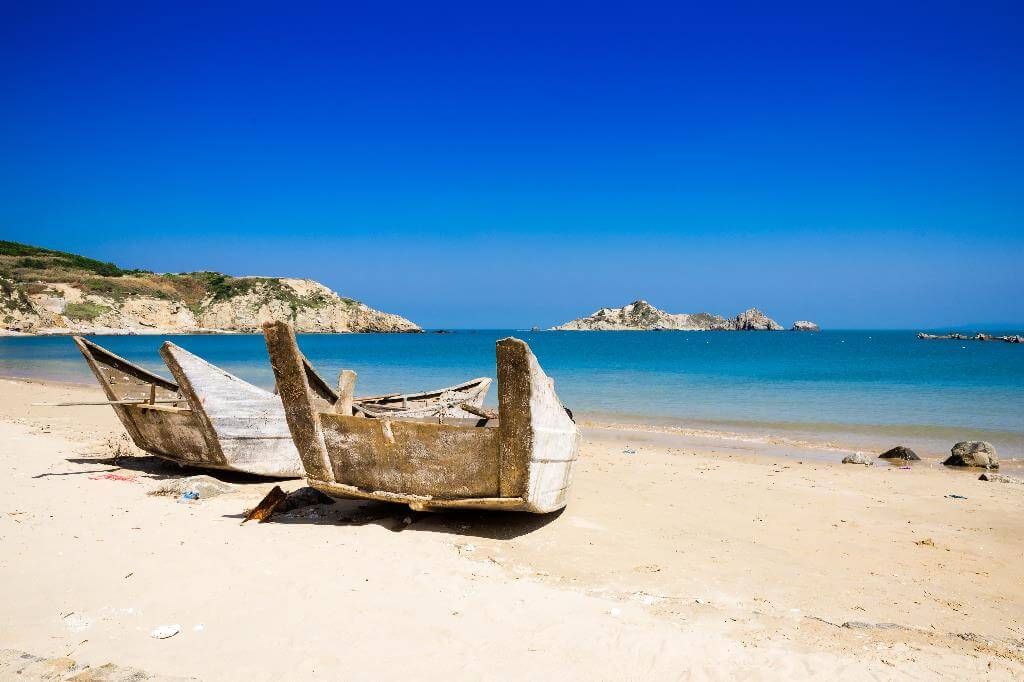
Located beside Juguang Visitor Center, Fuzheng Beach is known as “Juguang’s Natural Refrigerator.” Its summer events attract many visitors every year.
Dapu Settlement
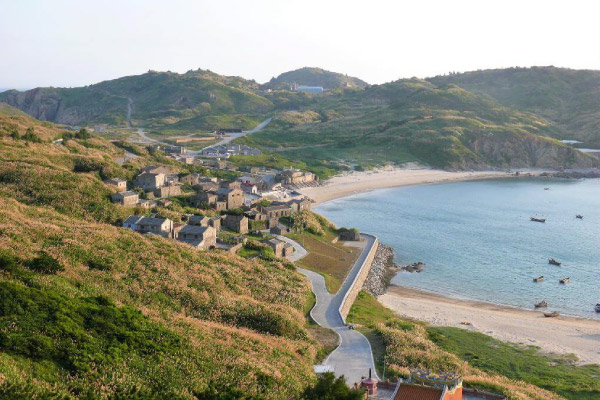
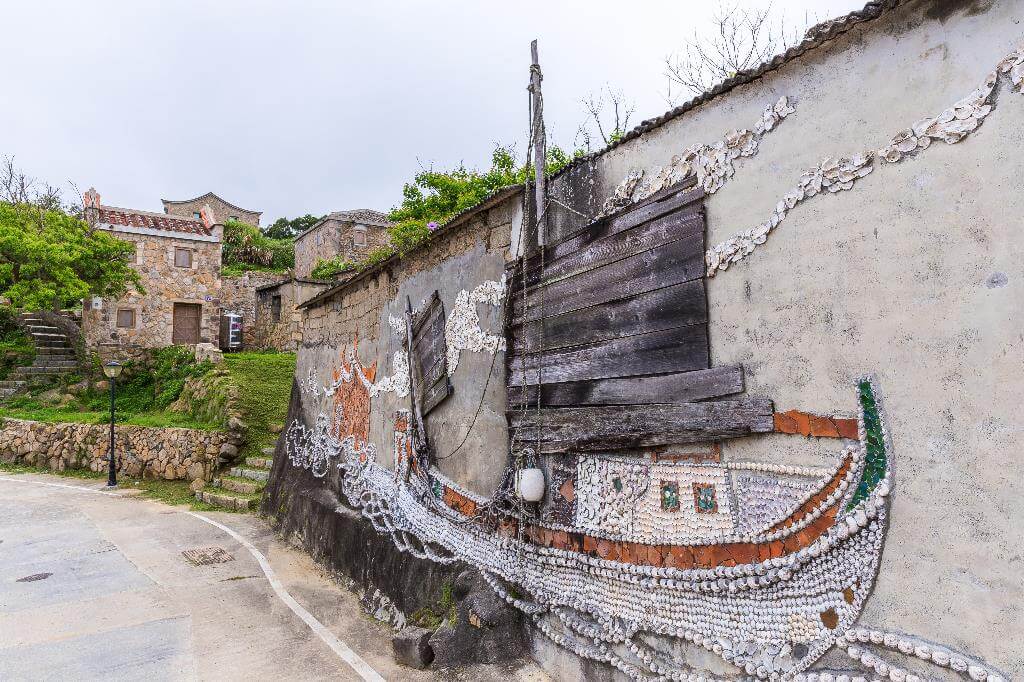
Built along the hillside, Dapu Village has become a creative hub, thanks to artists who once lived here and created impressive works using local materials.
Day3|Nangan
Fu’ao Harbor
Fu’ao Harbor is the main maritime gateway of Nangan Island. From here, passengers travel to Taiwan, Juguang, Dongyin, and Beigan. After the implementation of the “Mini Three Links” cross-strait travel program in 2001, the harbor’s importance increased significantly.
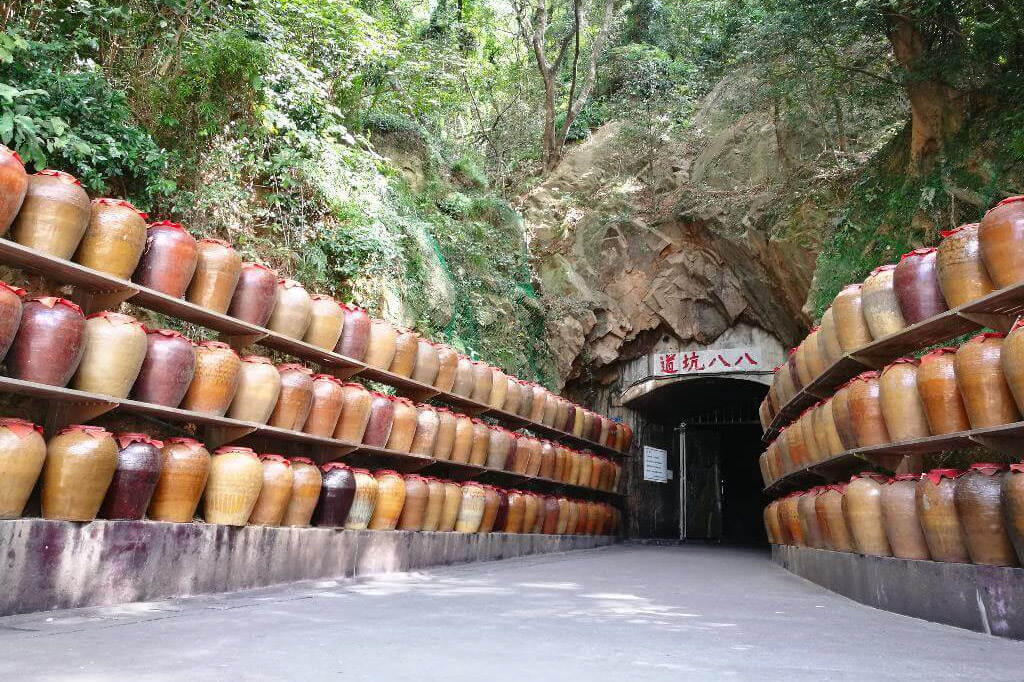
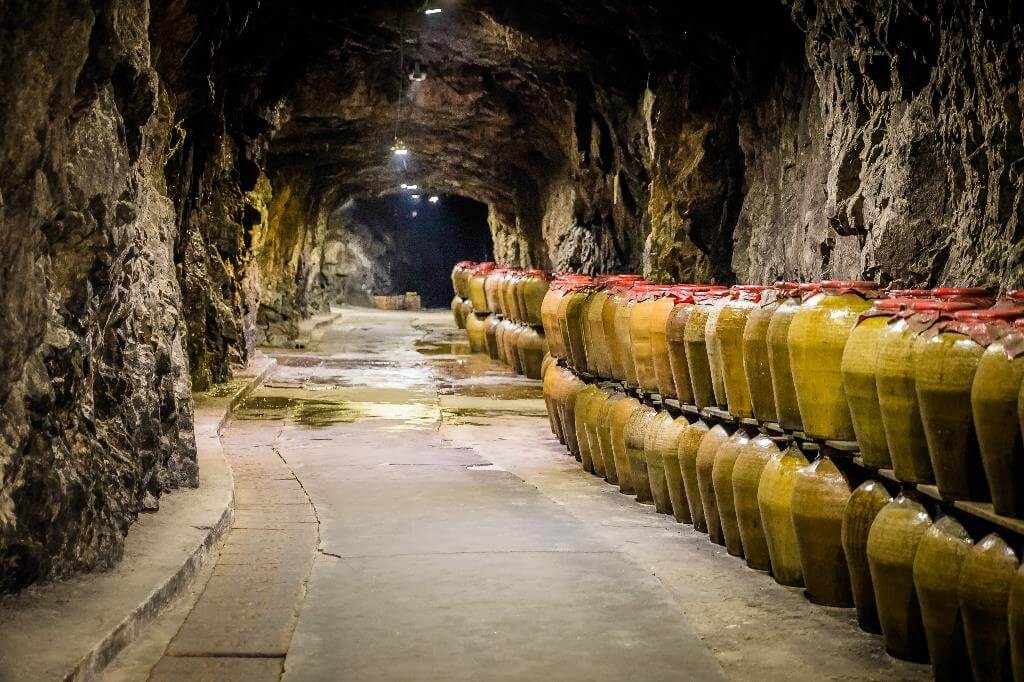
88 Tunnel
Originally a cave where early inhabitants hid from pirates, the site was later expanded into a tank tunnel during the military era. Today, it is used for aging Matsu’s famous liquor.
Beihai Tunnel (Nangan)
Beihai Tunnel is one of Matsu’s most iconic wartime sites. Located near Ren’ai Village, its entrance appears modest, but the interior reveals an enormous man-made granite tunnel system carved entirely by soldiers using simple tools. A full loop takes about 30 minutes.
Matsu Story House
Opened in November 2010, the Matsu Story House displays historic photographs and objects that bring the island’s culture to life. Future expansions will continue to shape this area into a cultural heritage zone.
“Young Matsu” (Jinban Jing Tianhou Temple)
This temple enshrines Taiwan’s only clay-sculpted young Matsu statue, depicted with a fresh and elegant appearance consistent with the legend of Matsu ascending to heaven at a young age—an extremely rare representation in Taiwan.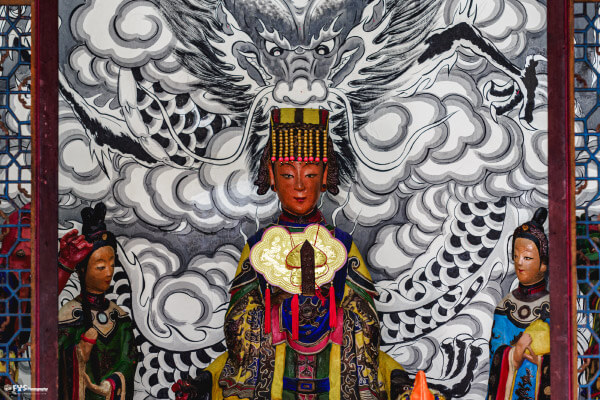
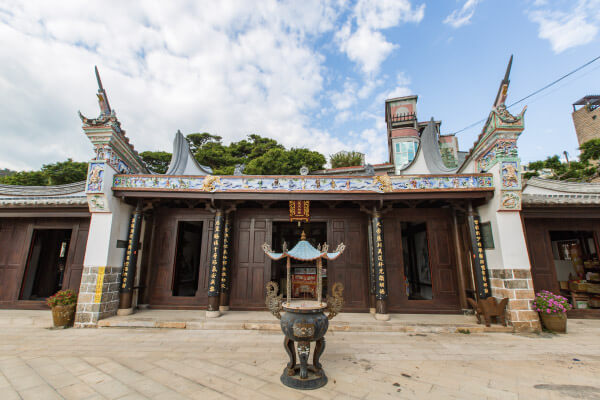
Tiebao (Iron Fort)
Tiebao is located along the coastal road between Ren’ai Village and Jinsha Village.
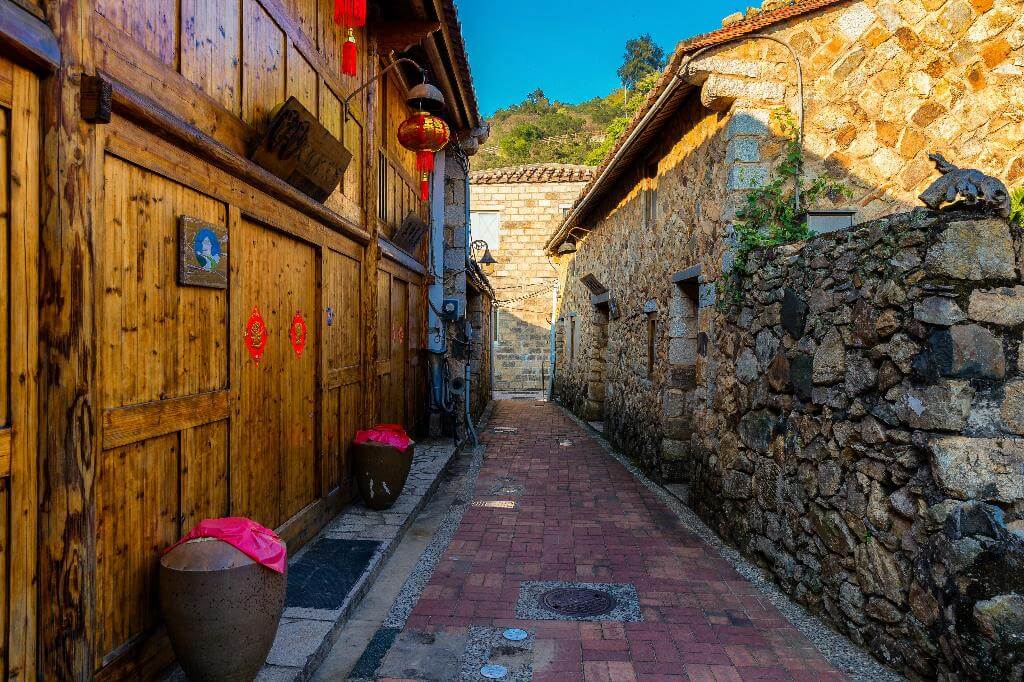
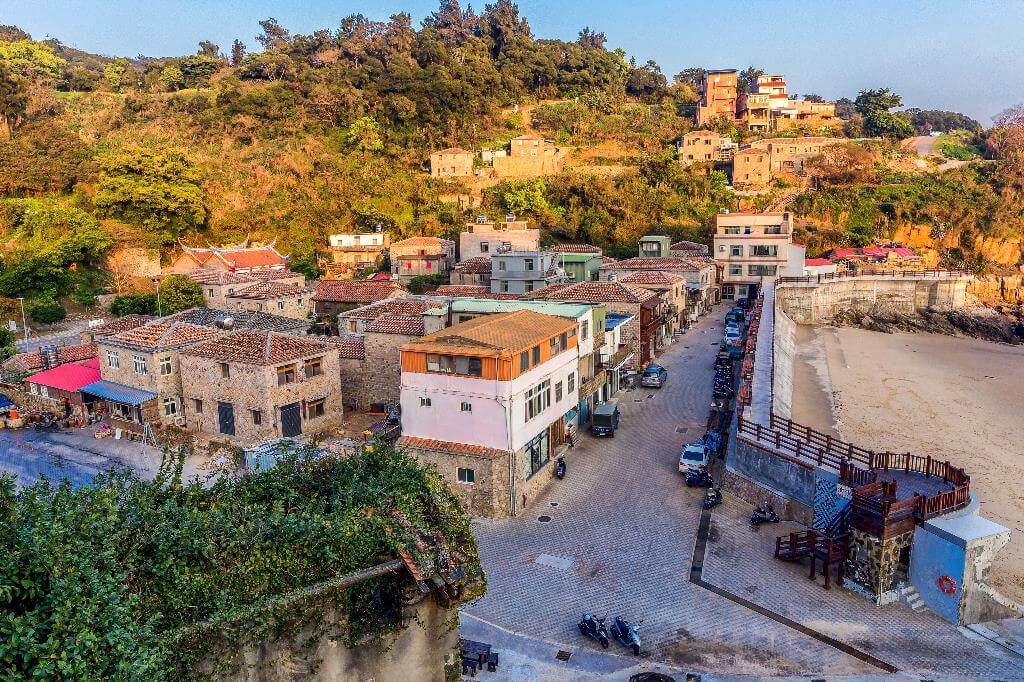
Jinsha Settlement
Formerly known as “Jinsha” (“Golden Sand”), the village was named for its shimmering beach under sunlight. It was once the second-largest village in Nangan, thriving on fishing. When fish resources declined in the 1970s, many residents moved away, inadvertently preserving its historic architecture.
Matsu Religious and Cultural Park
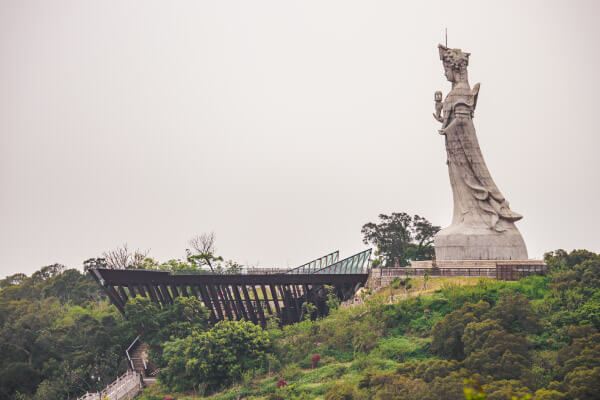
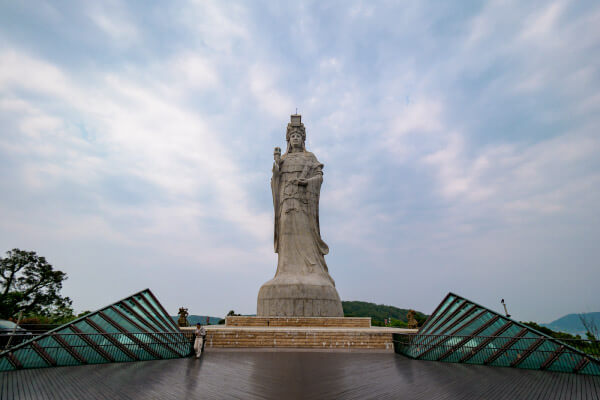
The 28.8-meter Matsu Giant Statue, built from 365 stone blocks symbolizing peace throughout the year, took more than a decade to complete—reflecting the islanders’ deep devotion to Matsu.
Nangan Airport
Originally a military supply airstrip, construction of the modern airport began in July 1998 and was completed in December 2002. The airport officially opened to civilian operations on January 23, 2003.