Classic Route II (Nangan, Beigan, and Dongyin)
393
- Last Updated:2025-11-27
- |


_1.jpg)
Featured Itineraries
Culture、Nature、Villages Brightened up in Reception of Visitors
Itinerary Type
3-day Package
Recommended For
Nature lovers, visitors interested in military history & culture, family travelers, light hiking & trail enthusiasts, photography enthusiasts
Recommended Route
Itinerary Overview
Due to its geographical location, Matsu transformed suddenly from a simple fishing village into a military stronghold. Sealed off for decades due to historical circumstances, it wasn't until the lifting of battlefield administration in 1992 and the opening to tourism in 1994 that its unique battlefield landscape was revealed. Every page of its legendary story is worth savoring.
Day1|Beigan
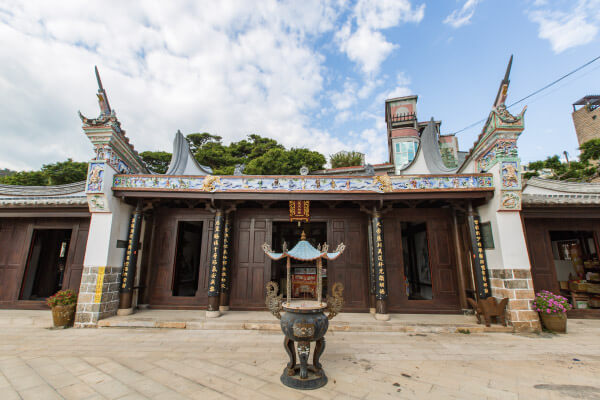
Yangong Bashi Temple
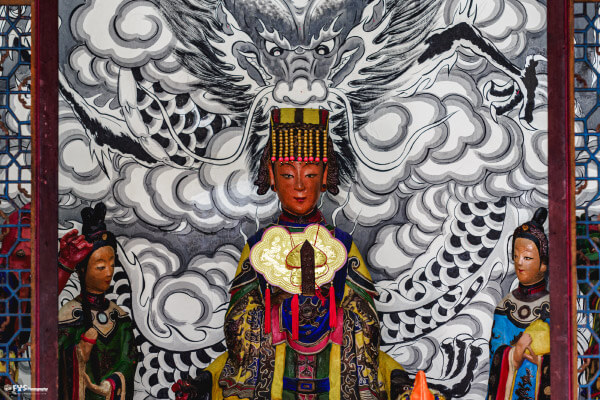
"Yangong Bashi Temple" is always filled with incense smoke, and villagers come to worship grandly during festivals. Legend has it that Yangong Bashi was harmed by an evil dragon, so there are no dragon-related decorations to be seen in the entire temple.
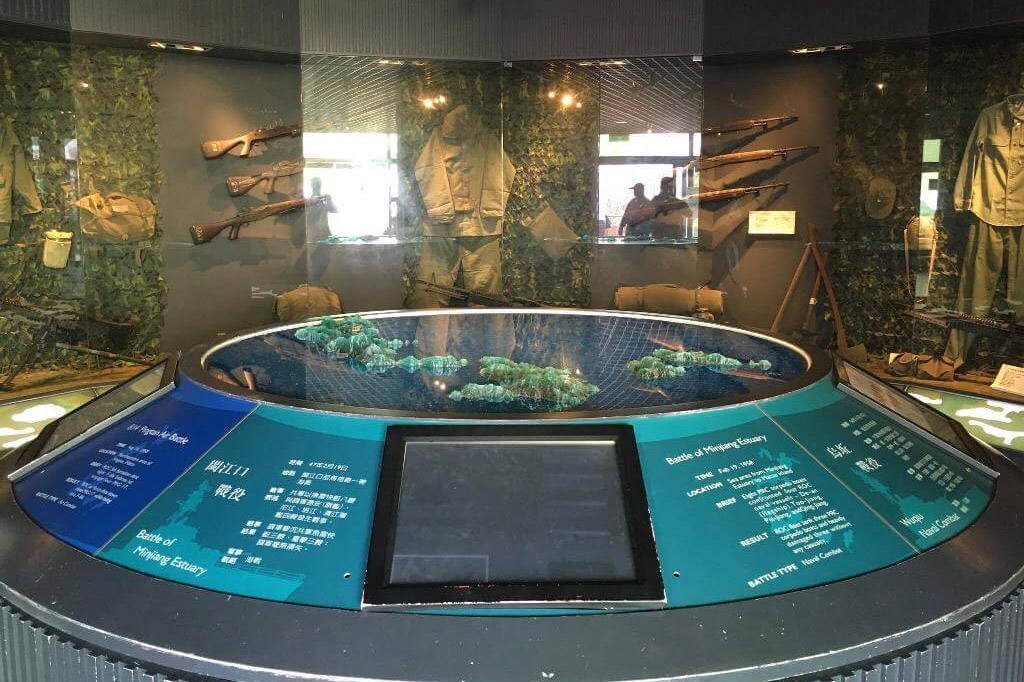
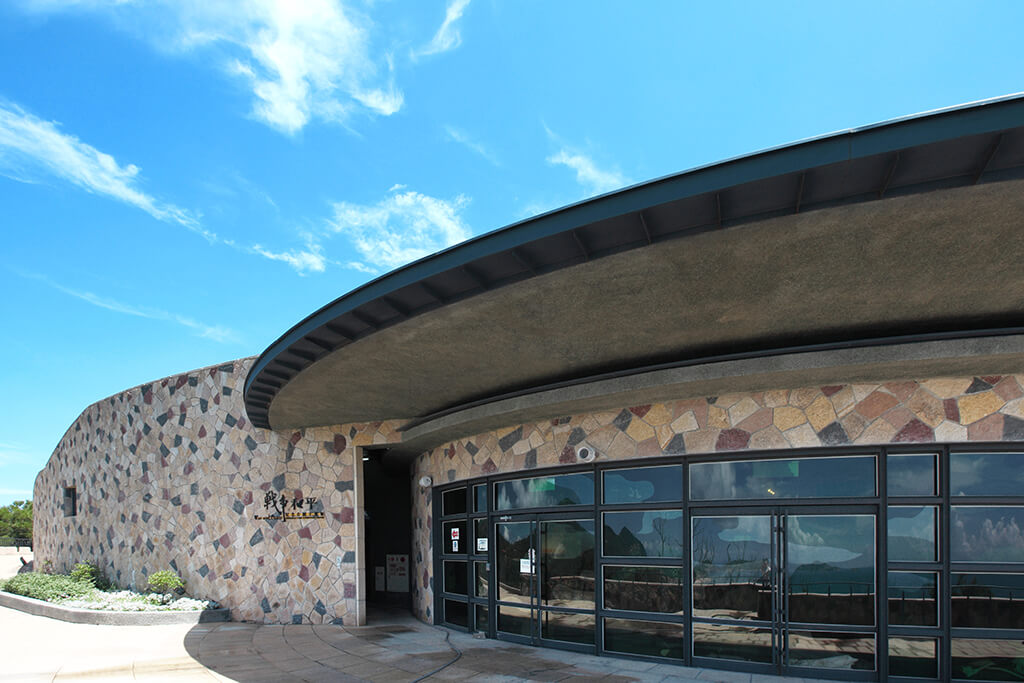
War and Peace Memorial Park
Officially unveiled on March 29, 2010, the museum takes "Touch & Memories" as its theme, presenting the years shared by the military and civilians.
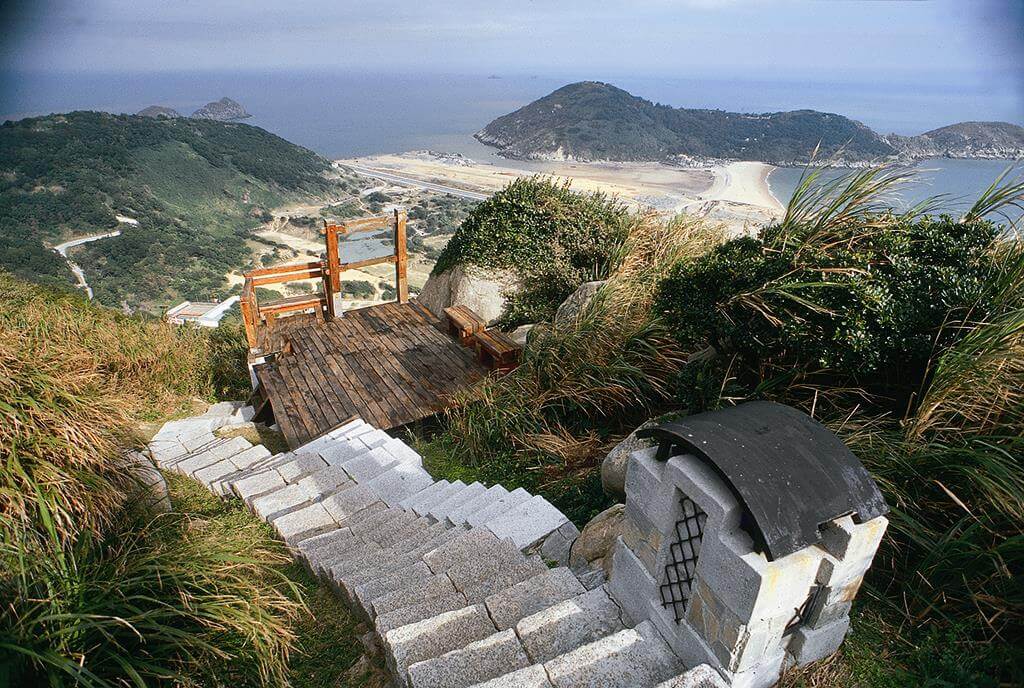
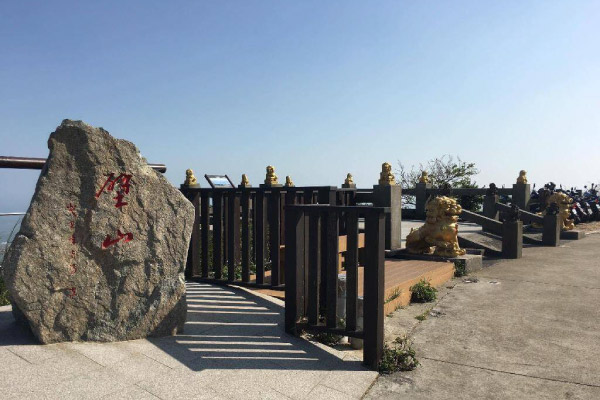
Bishan 1,000-Step Trail
Bishan (Mount Bi) is the highest peak in Matsu, with an elevation of 298 meters. The trail has over 1,400 steps and is the most challenging hiking trail in Matsu.
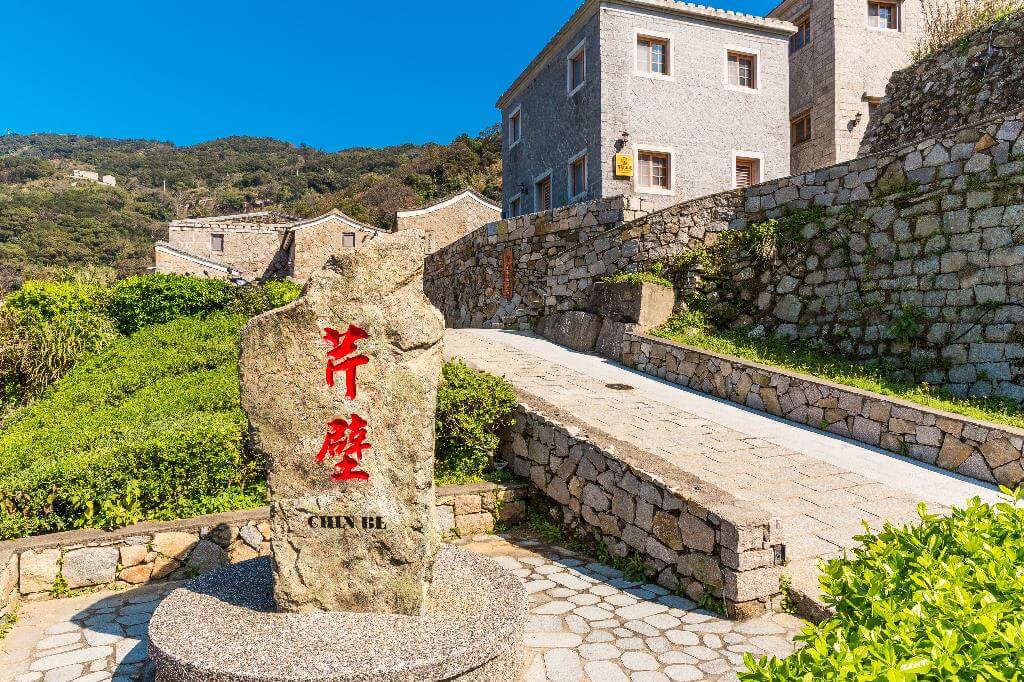
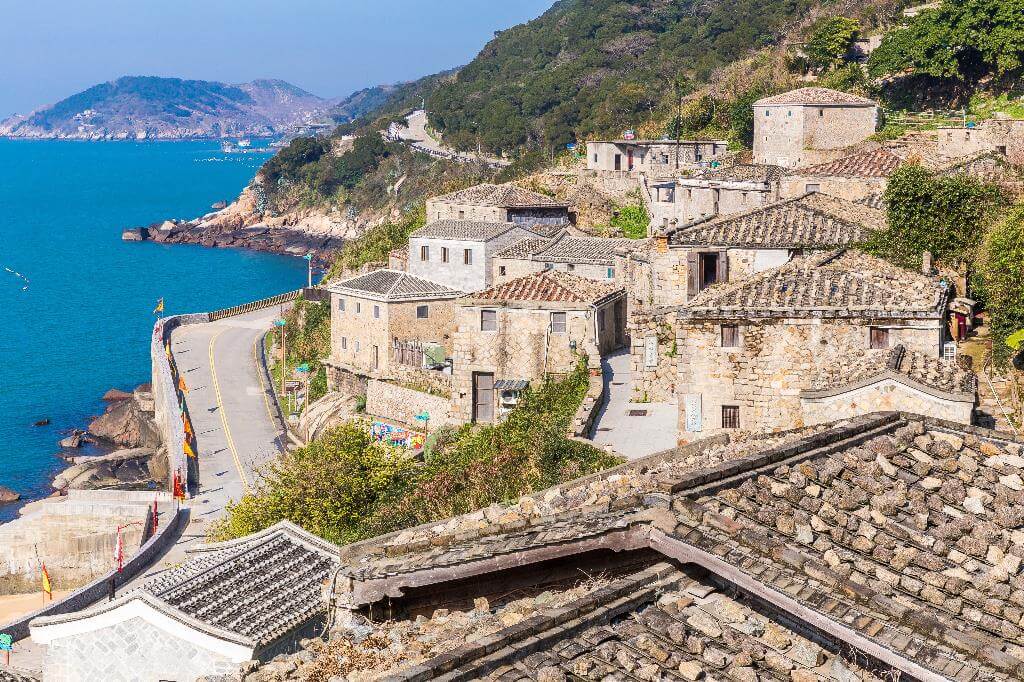
Qinbi Village
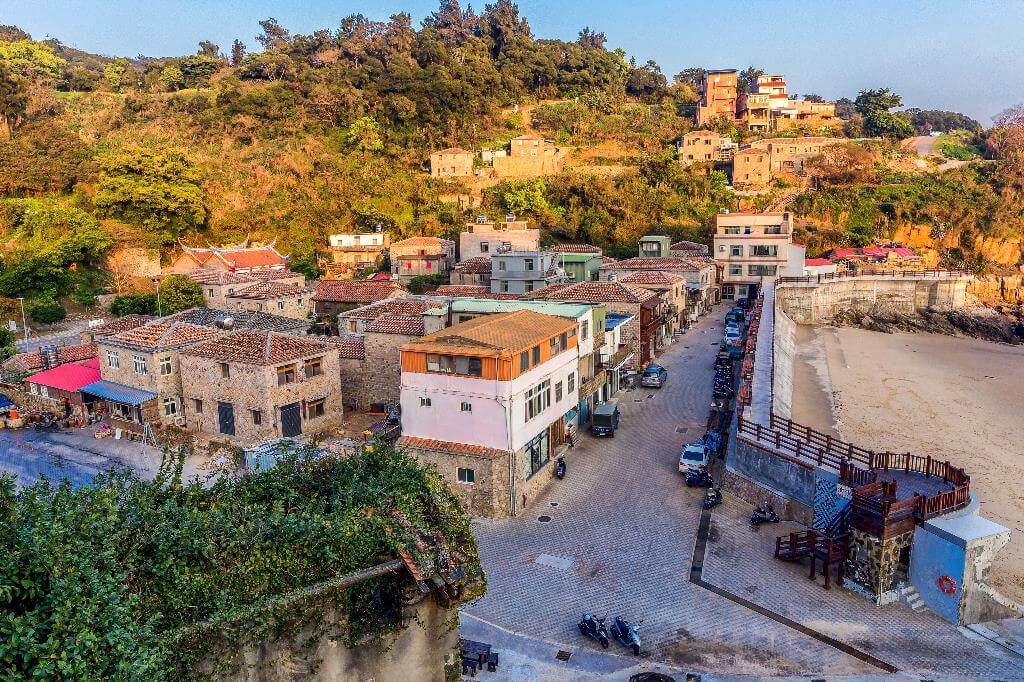
Qinbi Village is located in the north of Beigan Island, Matsu. There are several theories about the origin of its name. Nestled against Qinshan (Mount Qin), the settlement was built using locally sourced stones and shells from the abundant seashore. As fellow travelers say, "If you have money, go to Greece; if not, you must come to Matsu." This statement rings true. The stone houses, known as Eastern Fujian architecture, are currently applying for World Heritage status.
Day2|Dongyin
Dongyong Lighthouse
During the Guangxu reign of the Qing Dynasty, the British built this lighthouse to guide ships. With its snow-white tower, cast-iron railings, and white walled staircase, visiting here feels like being in Greece. It was upgraded to a National Monument in 2016.
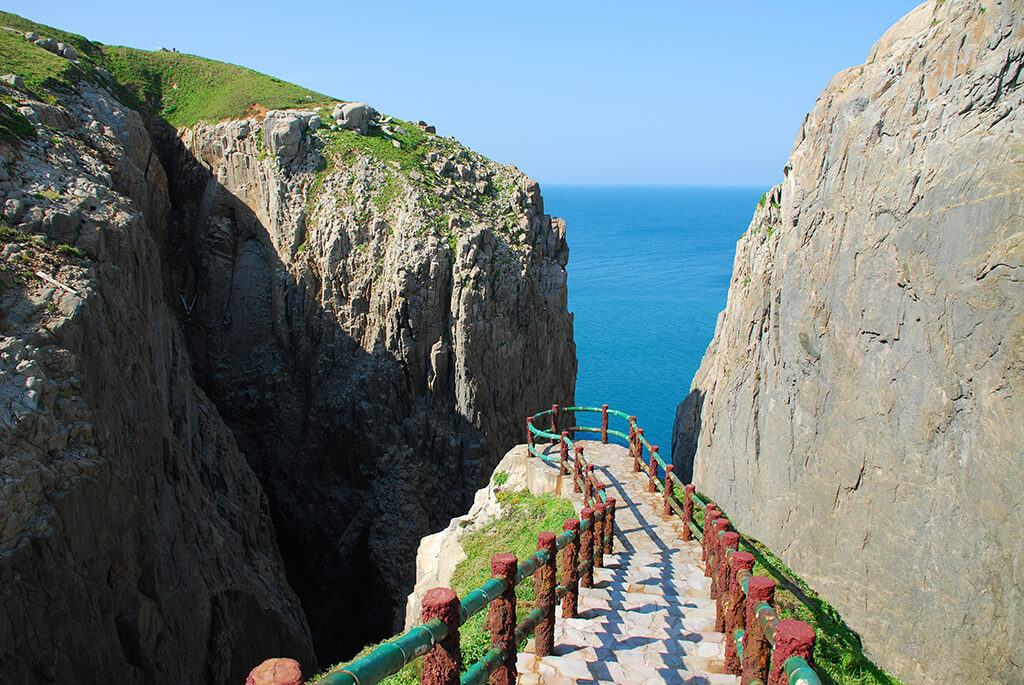
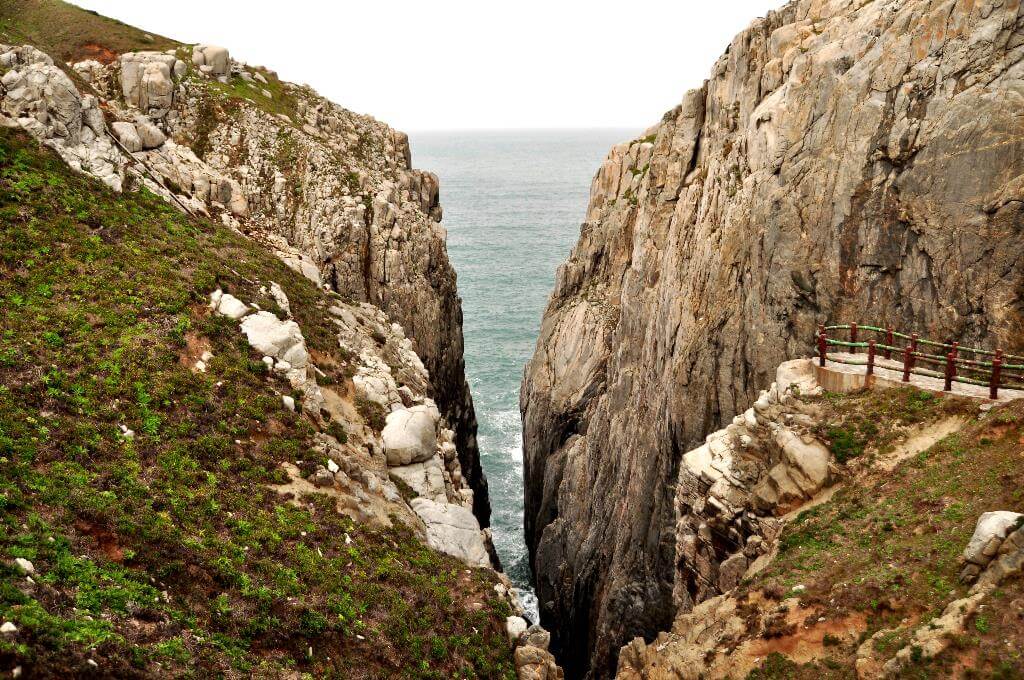
Lienyu Yikeng (Chaste Woman's Cliff)
"Lienyu Yikeng" is a sea cliff standing over 100 meters high with breathtaking grandeur. As the name suggests, it is known as a place where a woman sacrificed herself for her chastity.
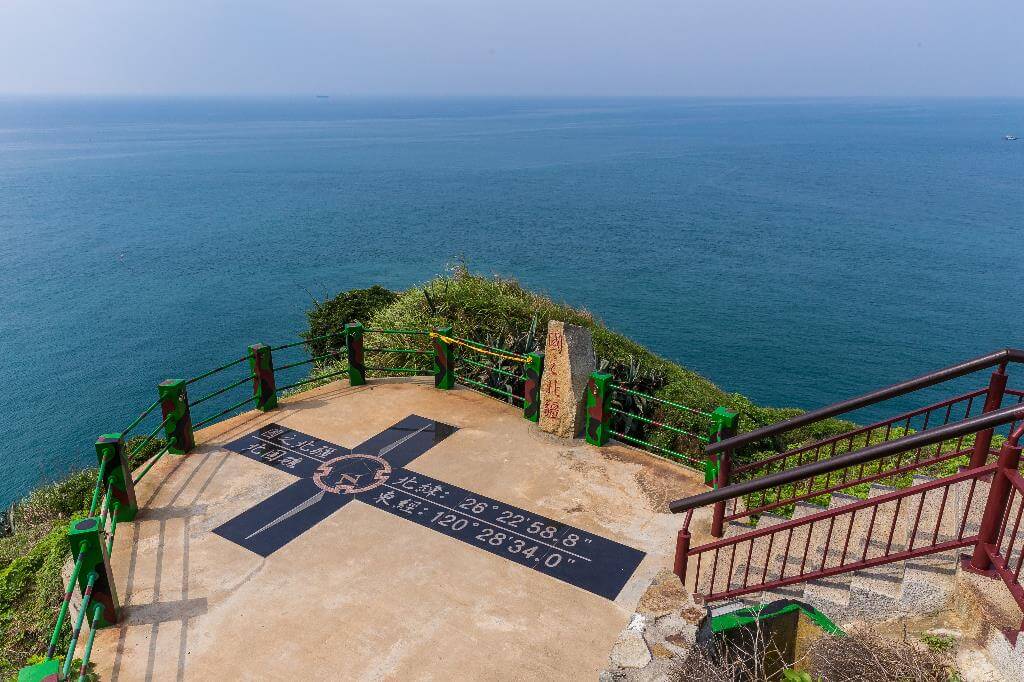
Northernmost Frontier
Standing on the observation deck at the Luohanping Cape, looking out over the boundless sea, the territory north of the frontier comes into view when the sky is high and the air is fresh. The blurred spatial experience inevitably brings to mind the entanglements of history.
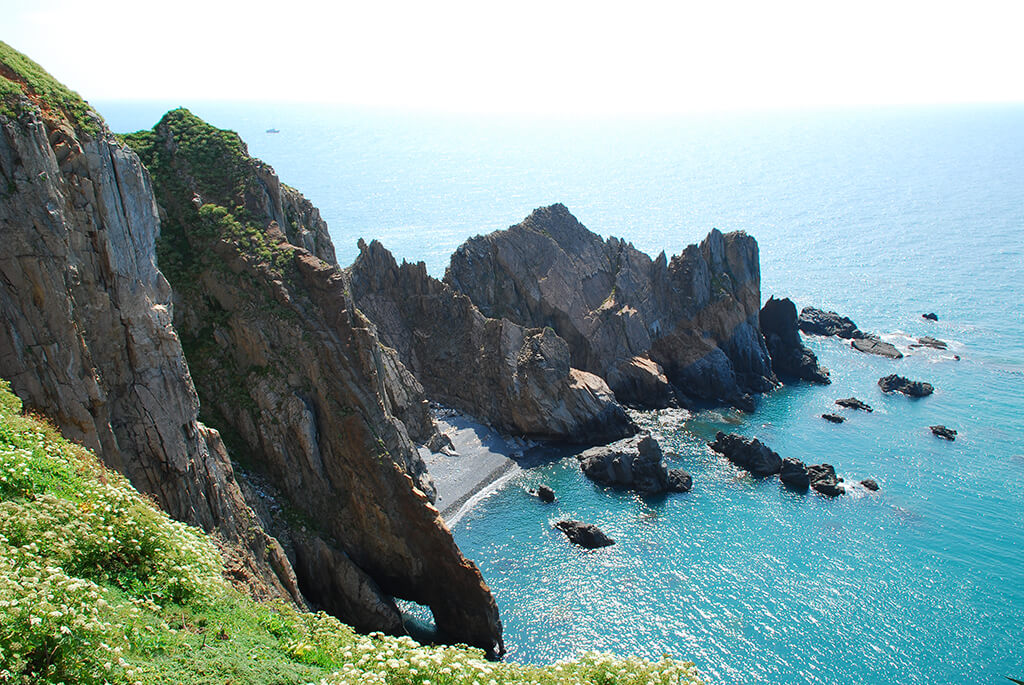
Sanshan Stronghold
This is the most important stronghold guarding the western waters of Dongyin. Controlling Qingshui Ao and Nan'ao, it stands on the "Crocodile Head" cape, offering a view that stretches for a thousand miles.
Gan'en Pavilion
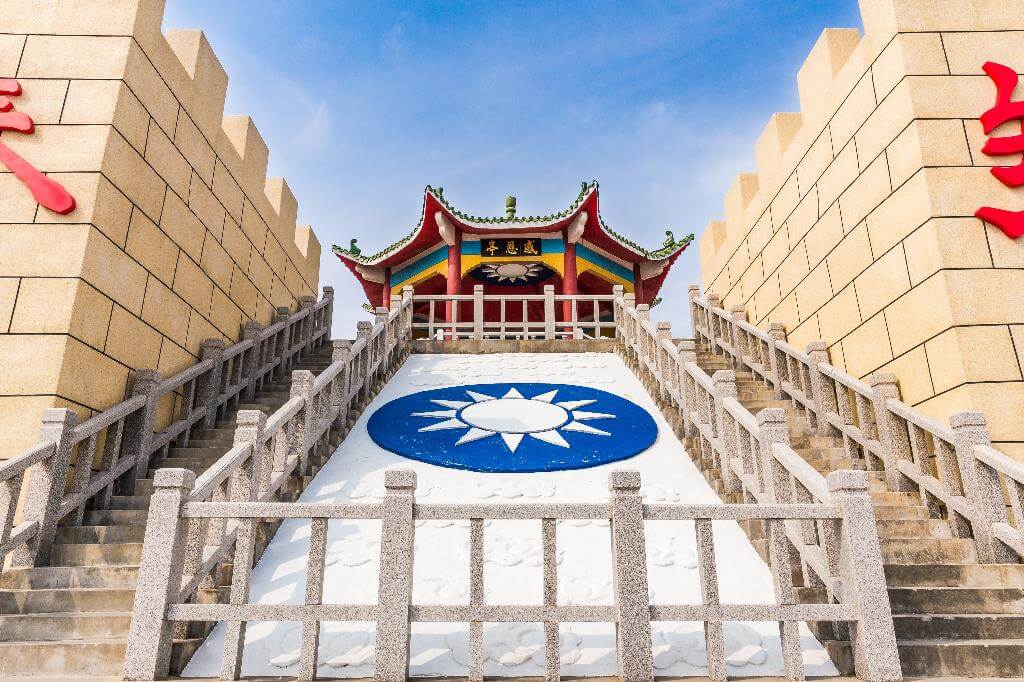
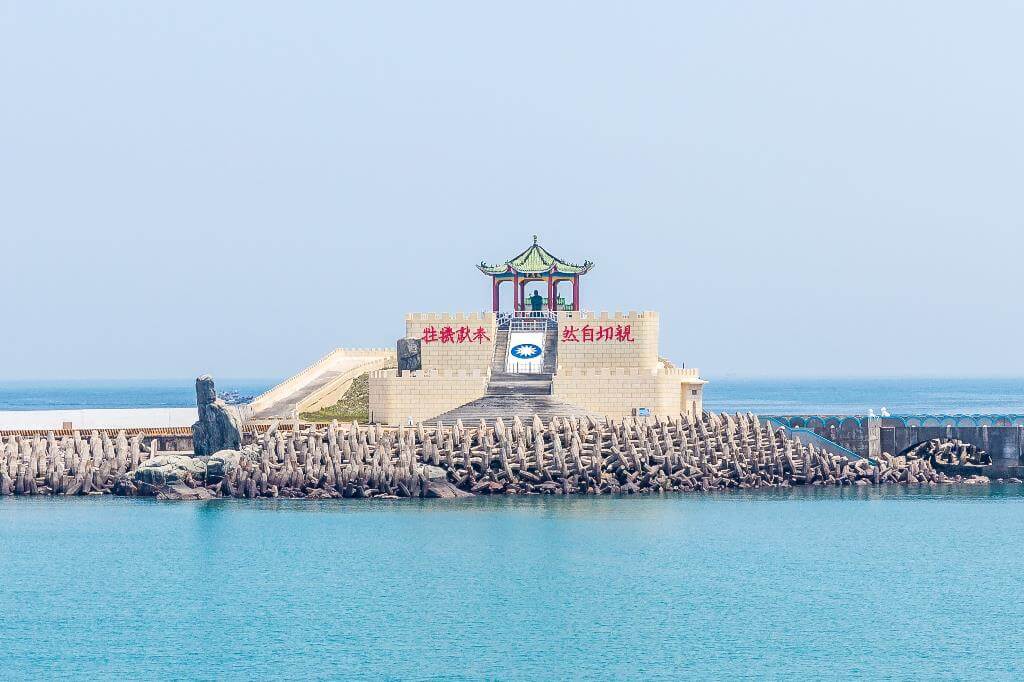
Zhongzhu Island was originally a reef between Dongyin and Xiyin islands. During high tide, it became an isolated island in the sea. Now connected by a bridge, the Gan'en Pavilion sits atop it, serving as a famous landmark of Dongyin.
Matsu Story House
Opened in November 2010. The museum displays many precious old photos and object simulations, making visitors feel as if they have walked into a history tunnel. Future plans include setting up related facilities to shape the Matsu Old Culture Park.
Maiden Matsu Statue
The Jinbanjing Tianhou Temple houses the only clay statue of Matsu, whose fresh and elegant appearance conforms to the legend of Matsu's young image when she achieved divinity and ascended to heaven, making it extremely rare throughout Taiwan.
Iron Fort
Iron Fort is located below the seaside road connecting the west side of Ren'ai Village to Jinsha on Nangan Island.
Jinsha Settlement
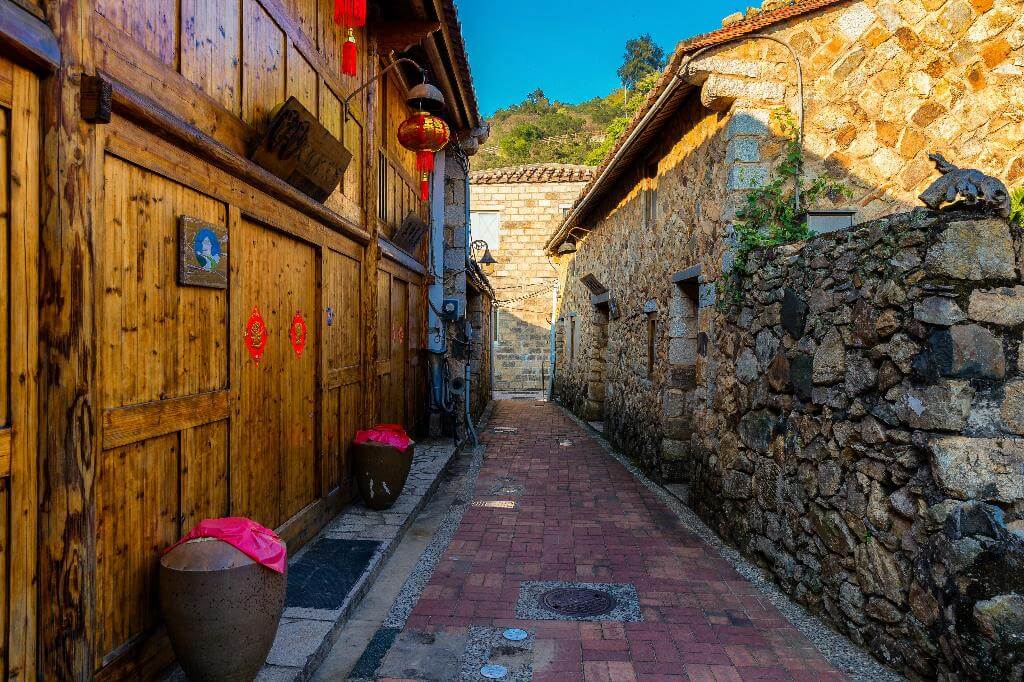
Jinsha was originally named "Golden Sand," receiving its name because the beach glittered under the sunlight. This was once Nangan's second-largest village, wealthy from fishing in earlier years. When Matsu's fishing resources were depleted in the 1970s, residents moved out in large numbers, which ironically helped preserve the original appearance of this century-old settlement.
Matsu Religious Culture Park
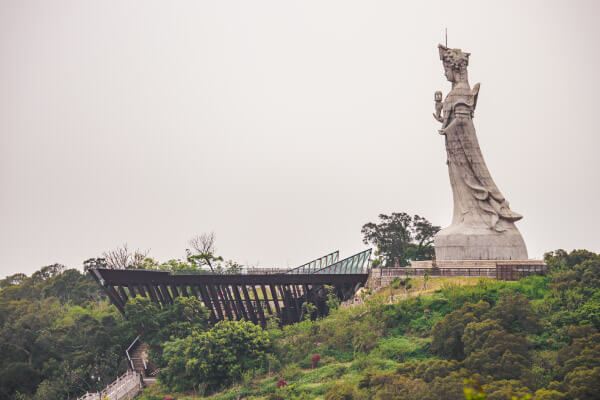
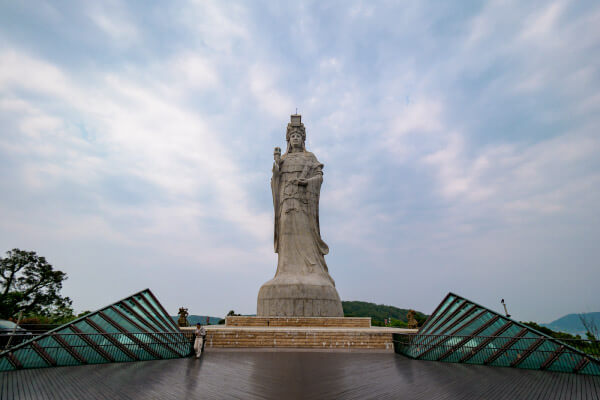
The Giant Matsu Statue is the landmark of the Matsu Religious Culture Park. Standing 28.8 meters tall, it is carved from 365 stones, symbolizing safety and peace every day of the year. The statue took over ten years from proposal to official completion, demonstrating the deep and fervent faith of the Matsu residents in Matsu.
Nangan Airport
Nangan Airport was originally a small military airfield for airdropping supplies. Construction began in July 1998 and was completed in December 2002, with a total cost of NT$2.276 billion. It officially commenced operations on January 23, 2003.