3-Day Deer Watching & Seagull Spotting Tour
376
- Last Updated:2025-11-27
- |


Featured Itineraries
Villages Brightened up in Reception of Visitors、Nature、Culture、Food、Events
Itinerary Type
3-day Package
Recommended For
Military history enthusiasts, family travelers, photography enthusiasts
Recommended Route
Itinerary Overview
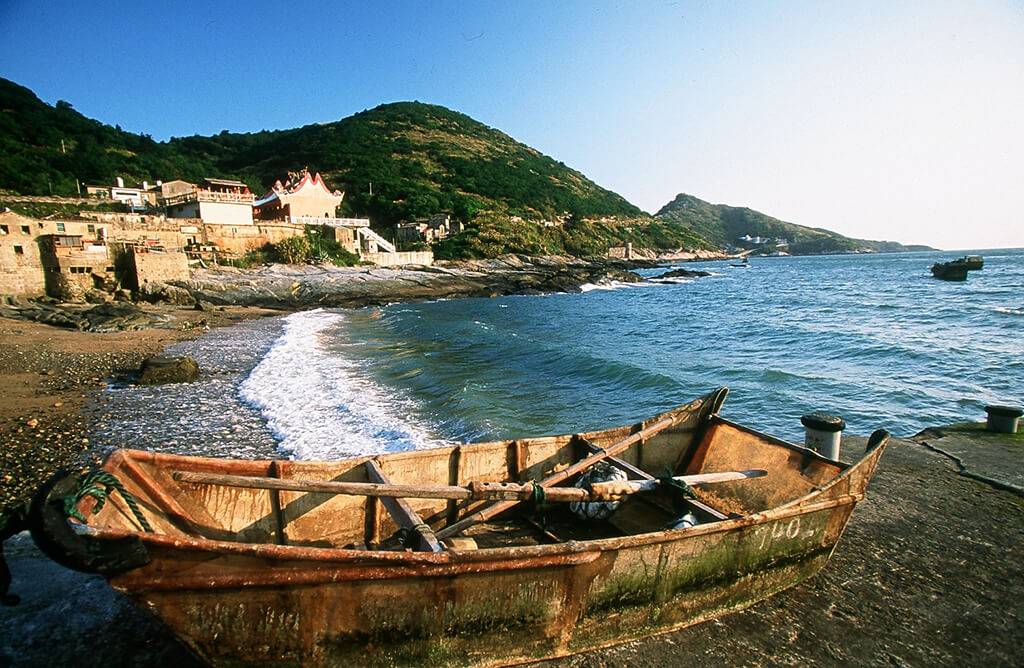
This 3-day, 2-night itinerary—seeking deer, watching terns, and finding paradise—starts in the northernmost Dongyin, stepping onto the Northernmost Frontier, moves on to Nangan for a fun kayak or rowboat experience in the tunnels, and concludes in Beigan with the exotic-looking Qinbi Village and the adorable Sika Deer on Daqiu Island. Experience the charm of Matsu’s selected attractions.
| DAY-1 | Itinerary |
|---|---|
| 05:20~06:00 | Meet and check-in at Songshan Airport. Due to flight operation procedures, please arrive 30 minutes in advance. |
| 06:30~07:20 | Taipei - Nangan |
| 07:40~08:30 | Nangan Airport - Fu'ao |
| 08:30~11:30 | Taima Star Ferry: Nangan - Dongyin |
| 11:30~13:00 | Lunch |
| 13:00~14:30 | Dongyong Lighthouse and surrounding attractions |
| 14:30~15:30 | Dongyin Winery |
| 15:30~17:00 | Northernmost Frontier + Sanshan Stronghold |
| 17:00~18:00 | Andong Tunnel |
| 18:00~20:00 | Dinner |
| 20:00~ | Rest |
| DAY-2 | Itinerary |
|---|---|
| 06:30~08:30 | Dongyin - Nangan |
| 08:30~09:30 | Enjoy Matsu's signature breakfast. |
| 09:30~11:30 | Matsu Winery, Tunnel 88 + Dapao Stronghold |
| 11:30~13:00 | Lunch |
| 13:00~14:30 | Matsu Folklore Museum |
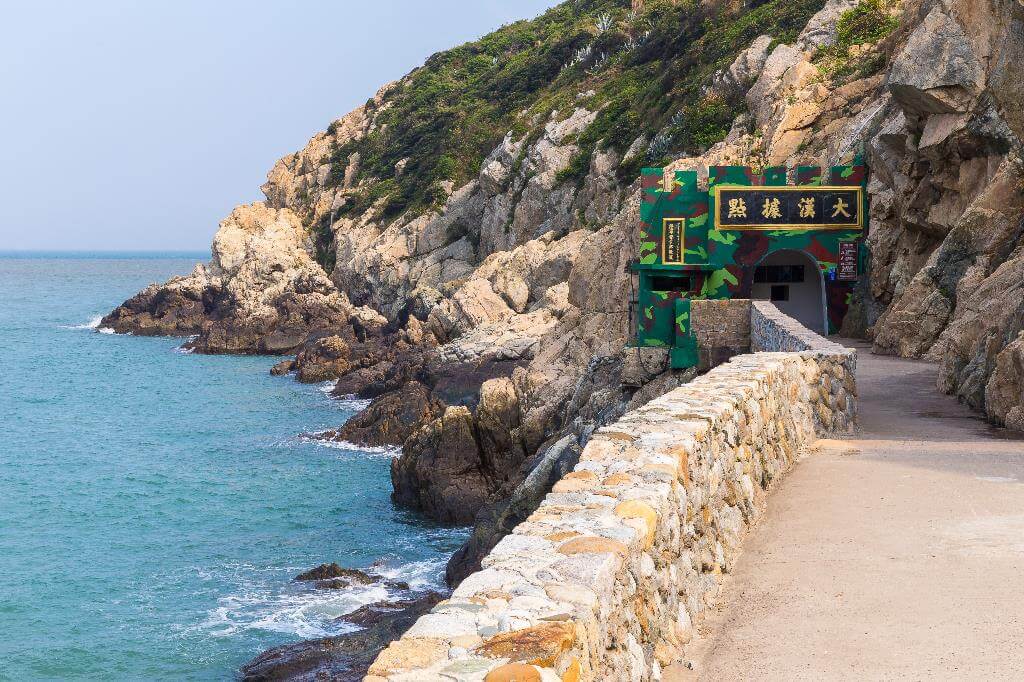
| 14:50~17:30 | Dabeihai Recreation Area (Nangan Visitor Center, Beihai Tunnel, Dahan Stronghold, Iron Fort) Experience the "Tunnel Kayak" or "Rowboat" tour and feel the reuse of military tunnel resources. |
| 17:30~18:30 | Hotel check-in + rest |
| 18:30~20:00 | Dinner |
| 20:00~20:30 | Night viewing of the Blue Tears at Beihai Tunnel (Seasonal: approx. April–September) Experience Matsu's most popular nighttime activity: viewing the Blue Tears. |
| 20:30~ | Rest |
| DAY-3 | Itinerary |
|---|---|
| 08:00~09:00 | Wake up - Breakfast |
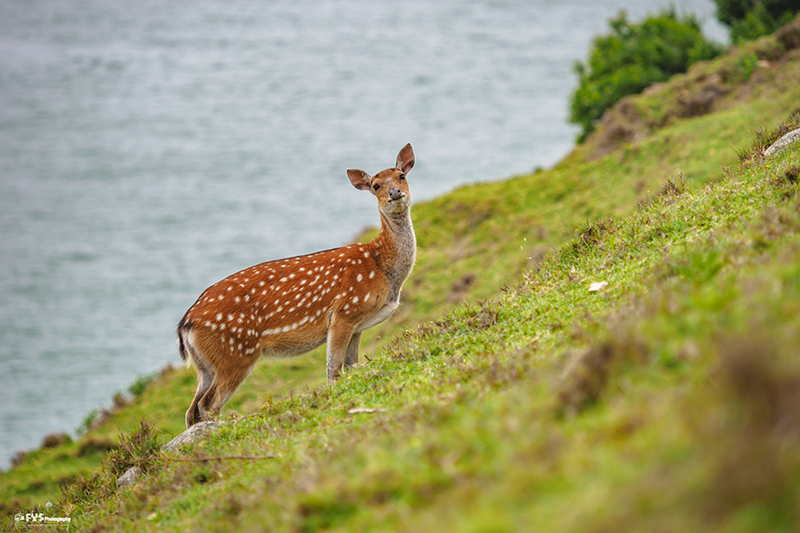
| 09:00~12:00 | Daqiu Sika Deer Search + Tern Watching Beigan Outer Island tour—Matsu's most surprising tern watching trip. Landing on Daqiu Island to search for Sika Deer is definitely the top summer choice. |
| 12:00~13:30 | Lunch |
| 13:30~15:00 | Qinbi Village, known as the "Matsu Mediterranean," was the filming location for the blockbuster film "Hua Yang" (Flowery), jointly produced by Mainland China, Hong Kong, and Taiwan. Some of the set remains, making Qinbi Village Matsu's most popular attraction. |
| 15:00~17:00 | War and Peace Memorial Park Theme Hall + Strongholds 06 and 08 |
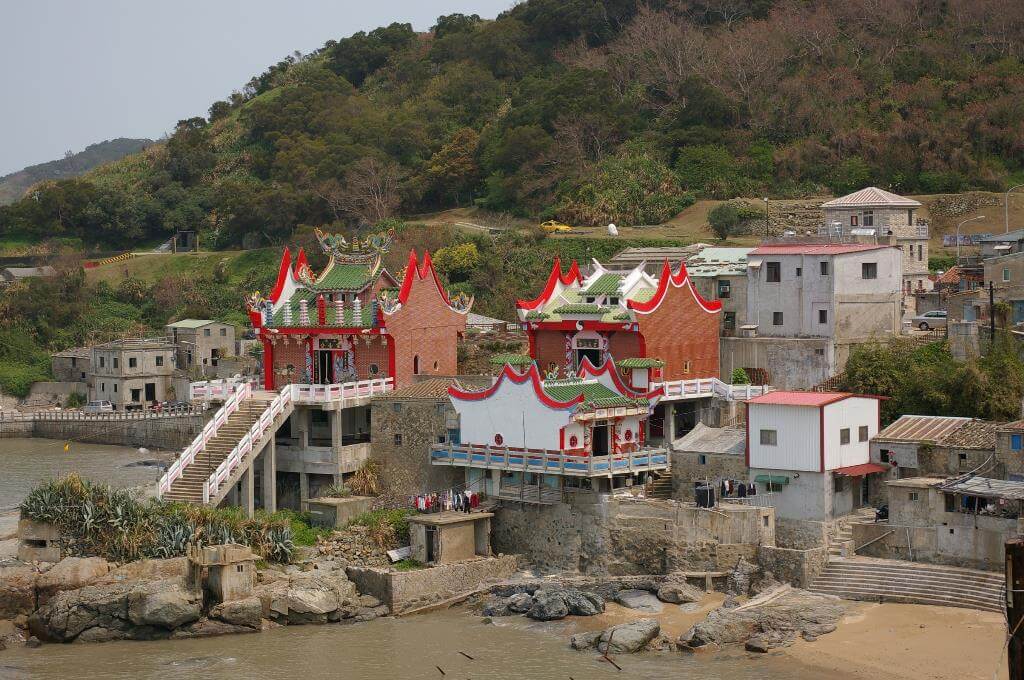
| 17:00~18:30 | Qiaozai Village: The marvelous sight of "Seven Houses, Eight Temples," a strange phenomenon where there are more gods than people, still preserving the Matsu fishing village scene of one port per village. |
| 18:30~19:30 | Tangqi Street shopping and airport check-in |
| 19:30~20:30 | Beigan - Taipei |
| The flight times listed above are for reference only. Please refer to UNI Air's official announcements for actual times. | |
Dongyong Lighthouse
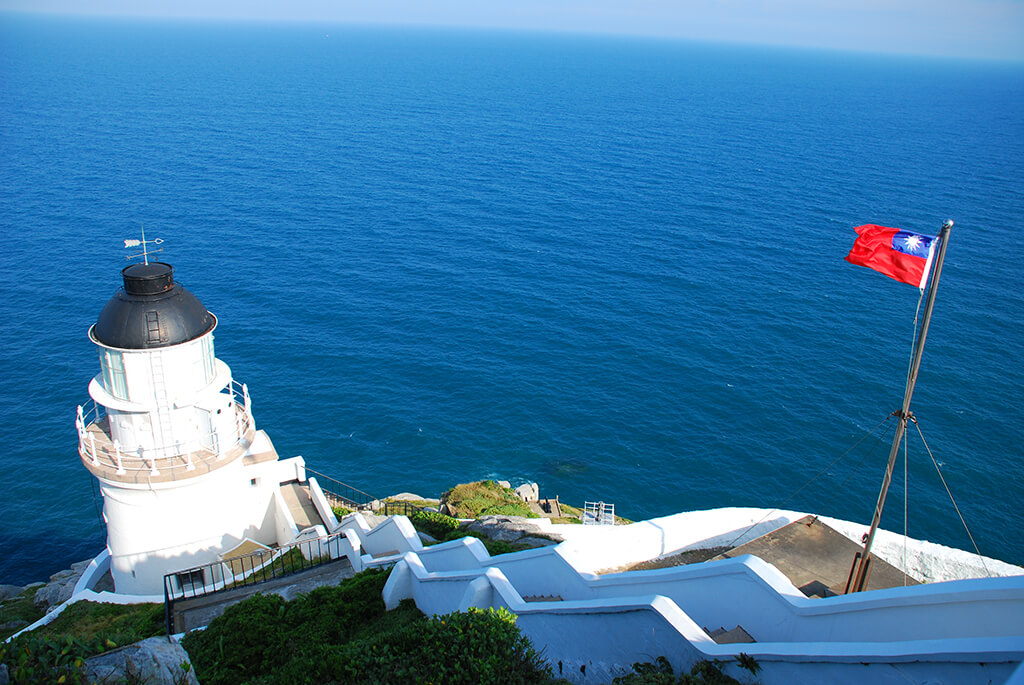
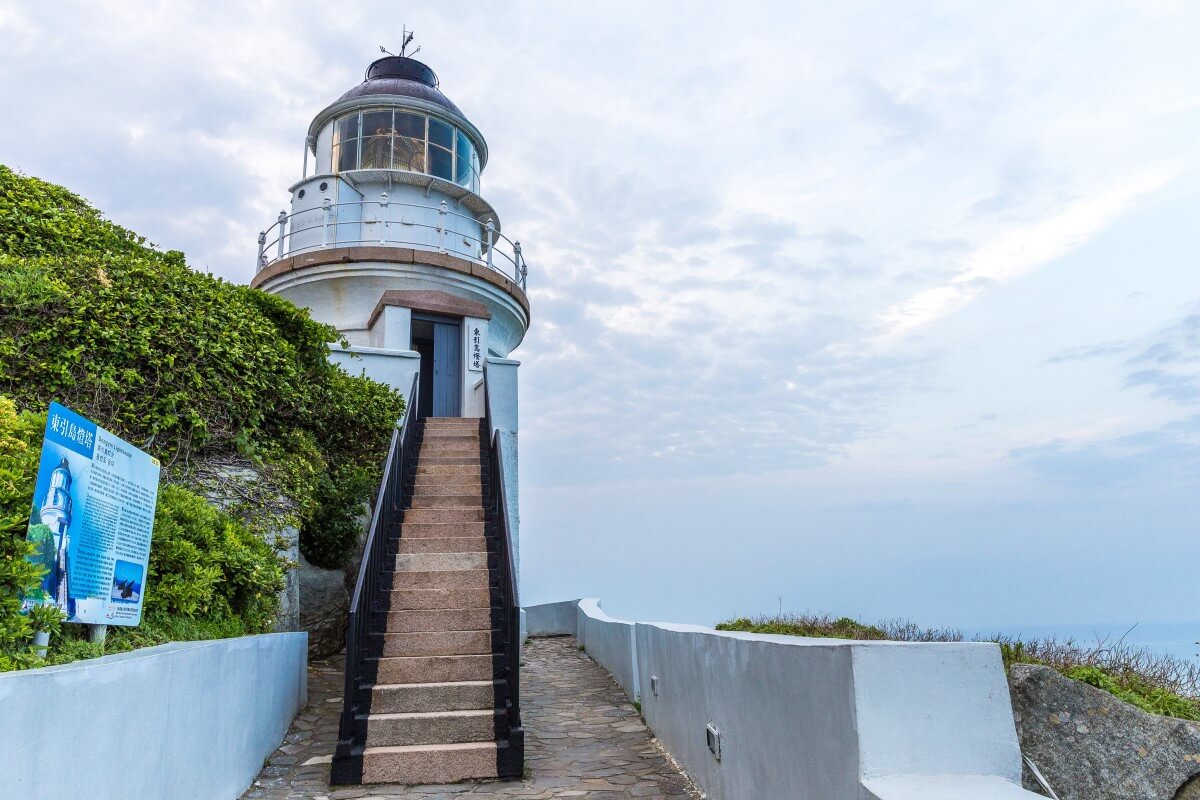
The Dongyong Lighthouse is located on the mountainside of Shiwei Mountain on Dongyin Island. Its pure white body, paired with a round blue roof, stands 13 meters tall on a cliff. Built by a British engineer during the Guangxu reign of the Qing Dynasty (to guide ships after the Treaty of Shimonoseki designated Mawei as a treaty port), it is the only British-style architecture found in the Matsu Archipelago.
In 1988, it was classified as a National Class 3 Historic Site by the Council for Cultural Affairs and was upgraded to a National Monument in 2016, making it the northernmost historic site in the Taiwan-Fujian area. In the early days, the lighthouse was in a restricted area, and the keepers had to live there with their families. To supply food for the staff, facilities such as chicken coops and pigpens were set up. In those times of scarcity, people outside the tower envied the keepers inside, calling the area the "Dongyin Villa." Two fog cannons were originally installed on the cliff below the lighthouse; these have since been replaced by a foghorn to assist navigation. Facing the East China Sea, the white tower standing tall on the sheer cliff reflects beautifully with the deep blue sea below, making it particularly captivating. Visitors can follow the winding, low white cement guardrail uphill to find the lighthouse.
Dongyin Winery
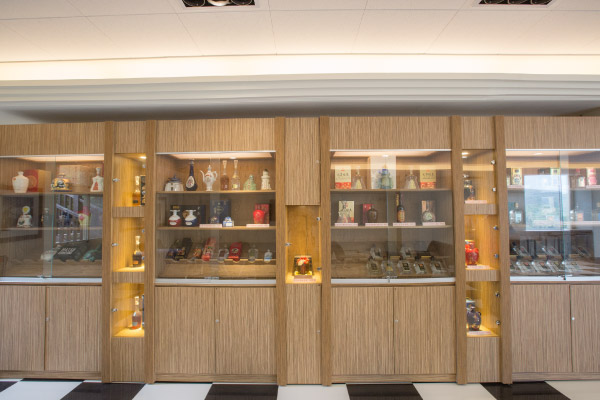
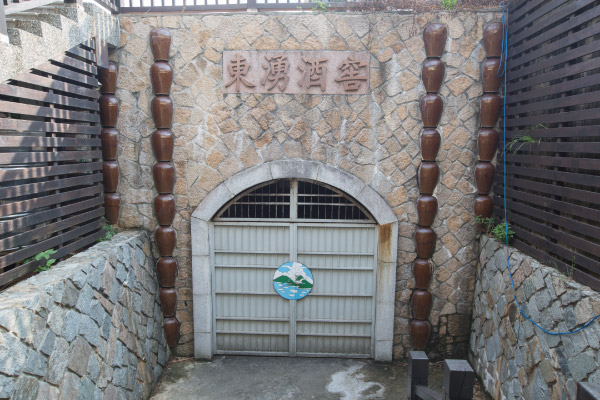
Which liquor is completely limited every year, hardly sold outside of Matsu, beloved by locals, and a treasured item among connoisseurs? The answer is Dongyong Aged Kaoliang, produced by the Dongyin Winery. Dongyong Aged Kaoliang is naturally fermented and brewed using traditional methods, relying on the experience of master brewers who decide the brewing time based on the season. Because it is difficult to produce but reasonably priced, it is deeply loved by Matsu residents and is indispensable for weddings, funerals, and celebrations.
When visiting Dongyin Winery, besides tasting the Dongyong Aged Kaoliang and watching the introductory film, the higher-alcohol Daqu wine and the entry-level Dongyong Kaoliang are must-buy souvenirs.
Northernmost Frontier
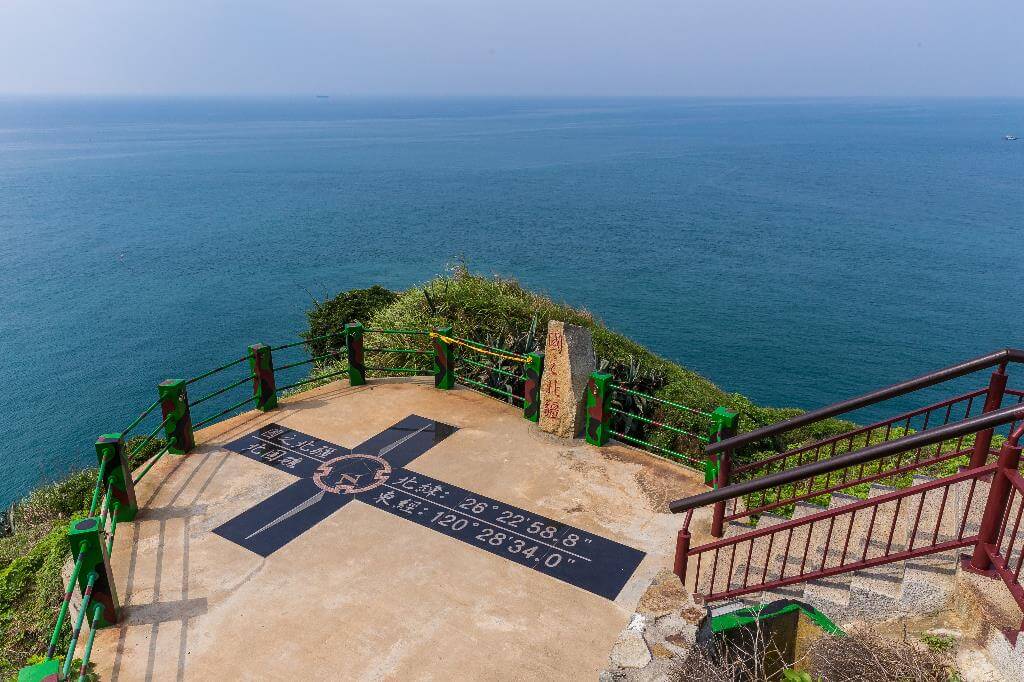
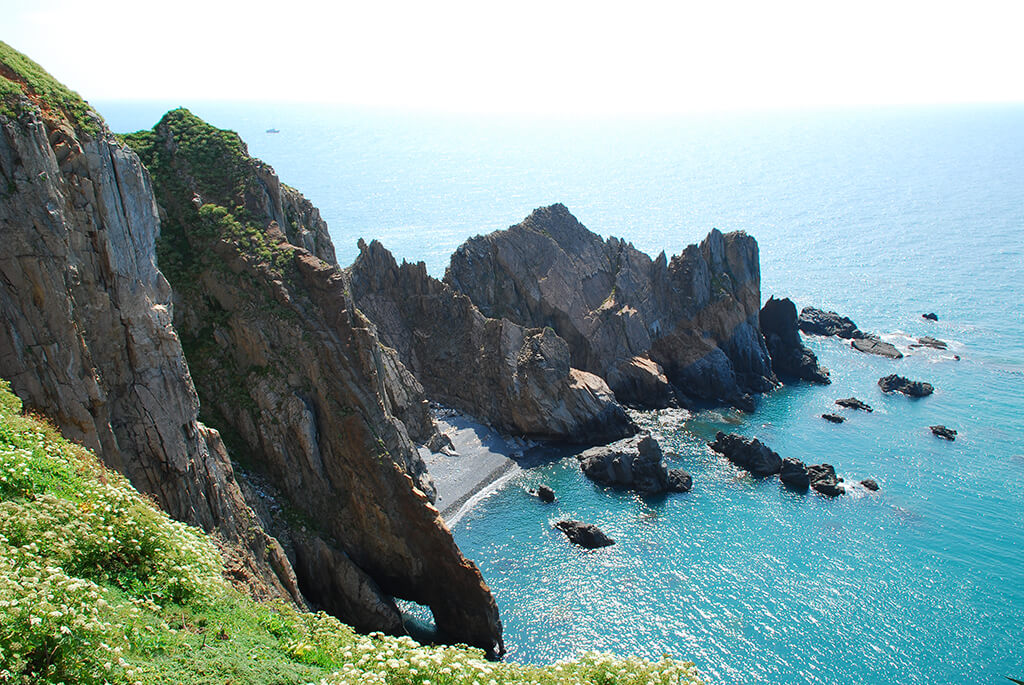
The location of the Northernmost Frontier is the "Beigu Reef," about 600 meters above Hou'ao in Xiyin, making it the northernmost territory of our country (N26°22'58.8" E120°28'34.0"). However, this small island reef cannot be seen at all times; it submerges or appears with the changing tides. To commemorate the Northernmost Frontier's location here, a stone plaque engraved with "Northernmost Frontier" has been erected in Hou'ao. Even if you don't see Beigu Reef, you can still prove you've visited the "Northernmost border." In addition to the Northernmost Frontier, the area naturally features Dongyin's most famous sea-eroded topography, making it a must-see attraction.
Andong Tunnel
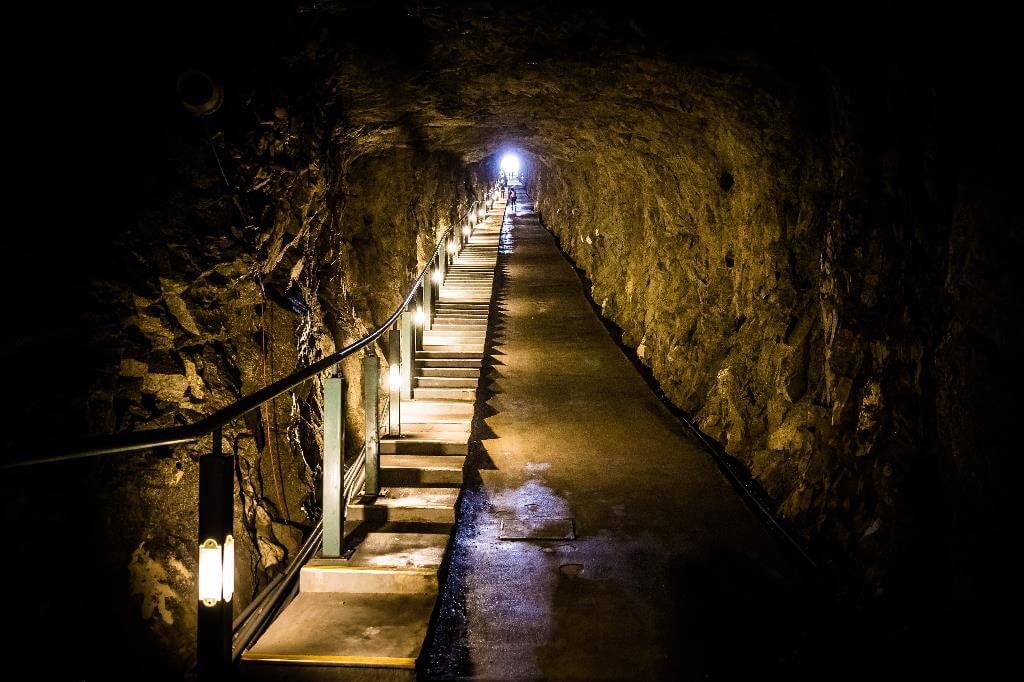
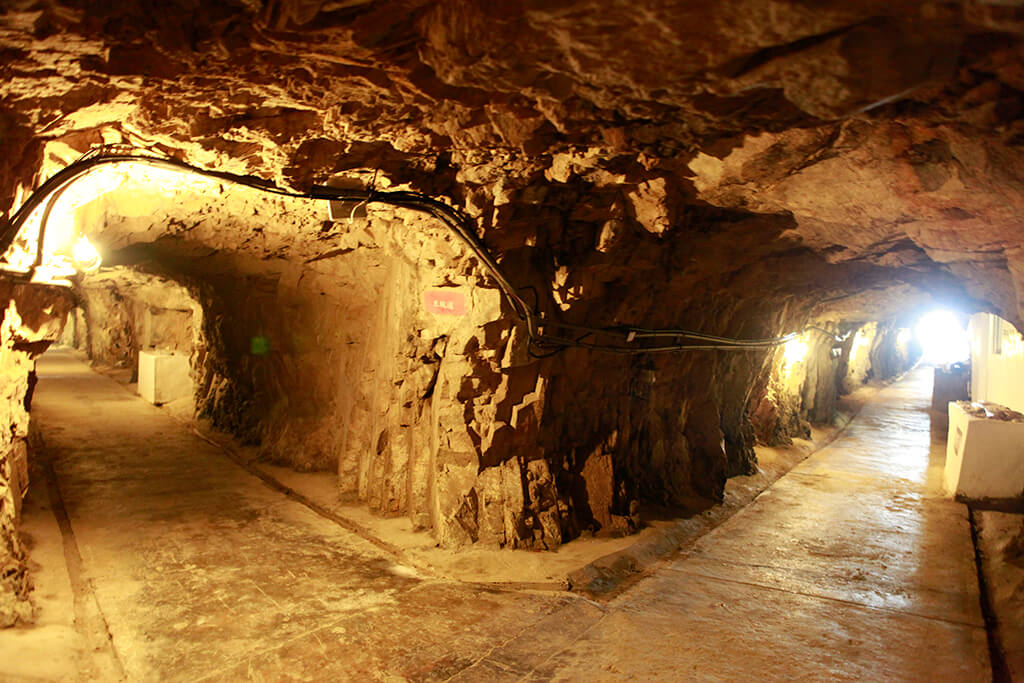
The camouflaged entrance, located next to the Cadre Training Class, leads into a massive military tunnel carved through Erchong Mountain, the headquarters of the Dongyin Command. Descending from the entrance, you enter the extraordinary and interconnected Andong Tunnel. The tunnel, which cuts through Erchong Mountain, is 300 meters long and has eight openings, each leading to the sea. However, because the path is all downhill, be prepared for an uphill climb on the return journey. It was constructed around the 1970s during the Cold War period.
The military released the tunnel in 2002, and the Matsu National Scenic Area Administration restored it, opening it to the public in 2004. Beyond the viewing platforms, ammunition depots, barracks, assembly halls (Zhongshan Room), and pigsties—which retain their original appearance and possess significant tourist value—every April, conserved birds such as Black-tailed Gulls and Black-naped Terns fly south from Japan to nest and breed around the tunnel entrance and surrounding islets. Looking out from the viewing platform, the azure sea, blue sky, strange rock formations, and soaring terns are breathtaking. Every summer, bird lovers flock here.
● Visitor Reminder: Please turn lights on and off when entering and exiting the tunnel. The tunnel is steep, so vehicles are not allowed.
Matsu Winery
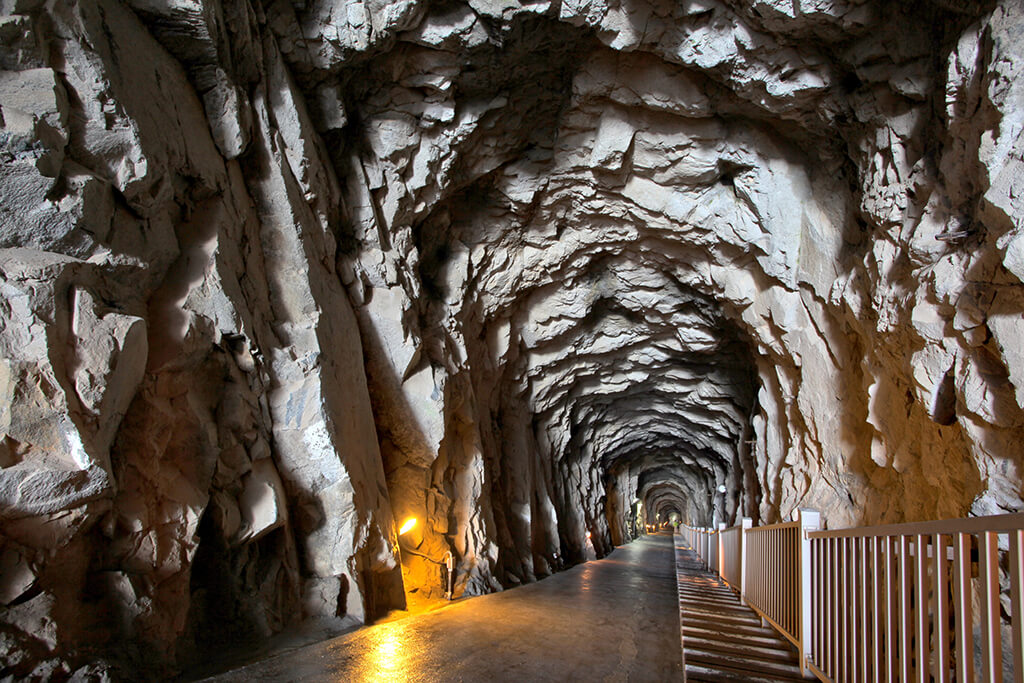
Matsu Winery is located at the entrance of Niujiao Village. The fine liquor brewed using its sweet and clear spring water is famous far and wide, particularly its Daqu, Kaoliang, and Aged Laojiu (old wine).
The winery currently only opens the exhibition room and Tunnel 88. The room displays commemorative liquors produced by Matsu Winery over the years, as well as highly valued, now-discontinued medicinal liquors. Visitors can also learn about the past and present of Matsu Winery through video introductions and physical displays. After the visit, guests are invited to sample the Kaoliang liquor offered by the winery, attracting many tourists, especially enthusiasts.
- Opening Hours: Daily 08:40~11:30 and 13:40~17:00. Closed every Tuesday.
Matsu Folklore Museum
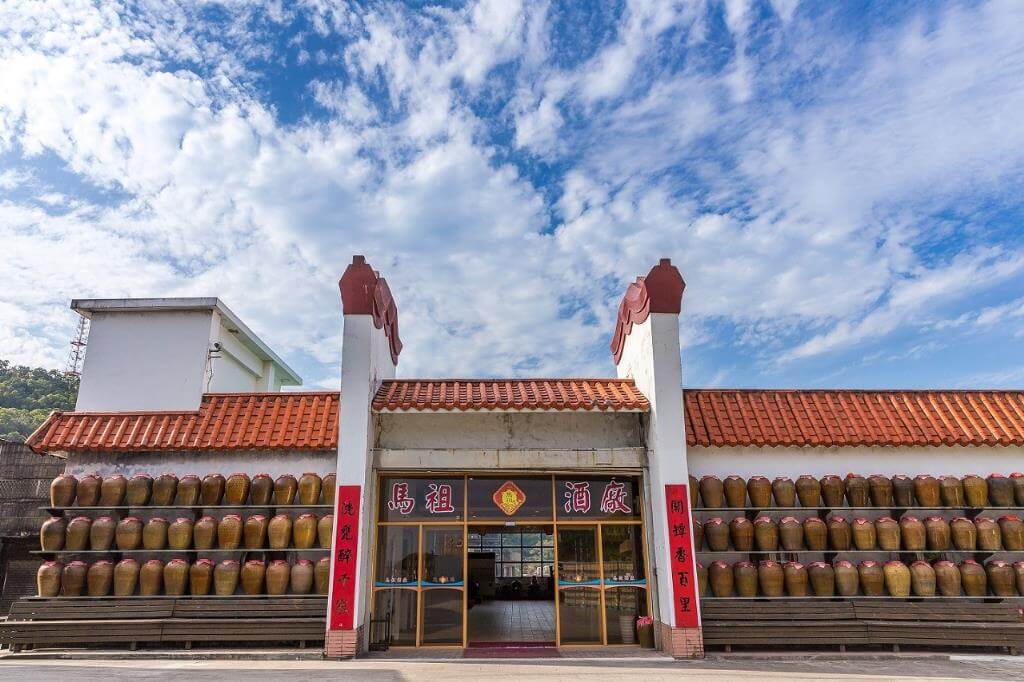
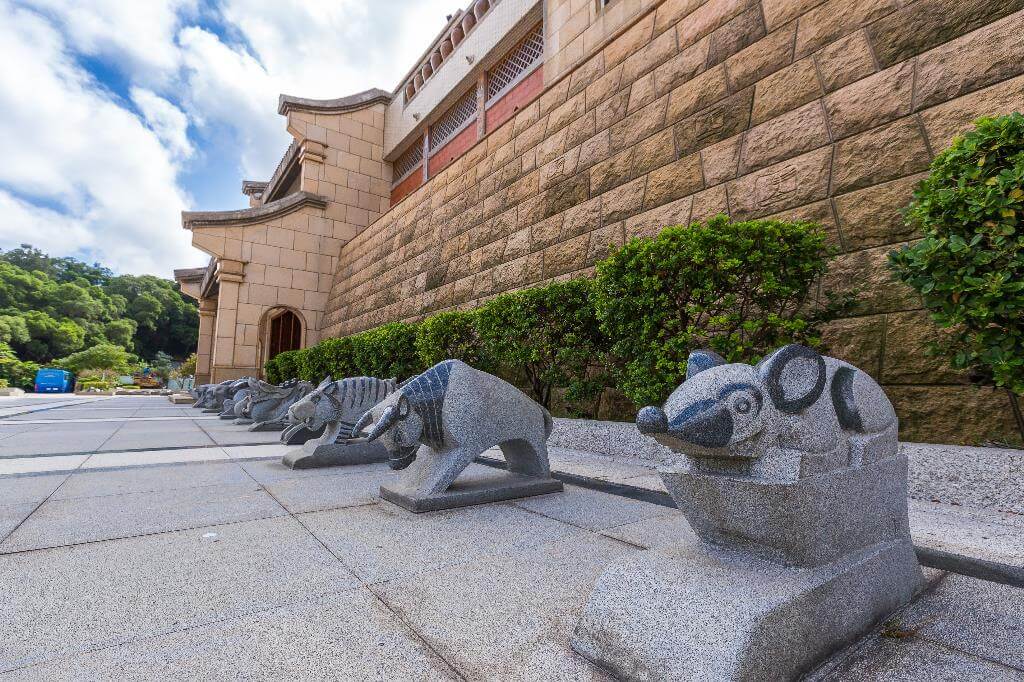
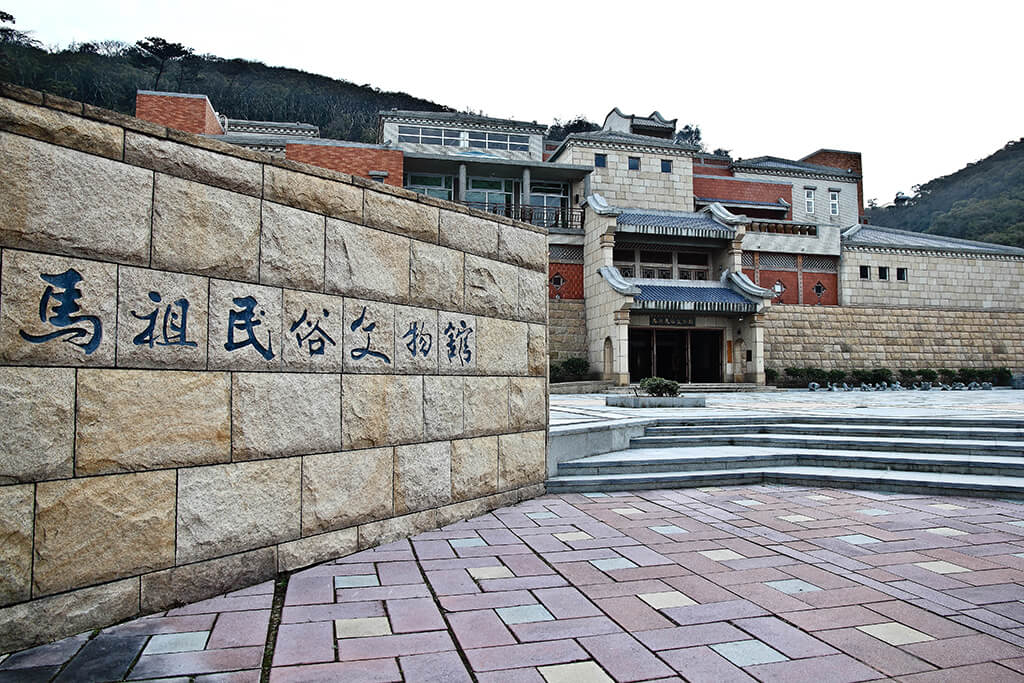
Visitors to Matsu are encouraged to first visit the Folklore Museum to gain an in-depth understanding of Matsu's culture. The museum's exterior blends the staggered features of Min-Dong (Eastern Fujian) cluster houses, decorated with old wine jars, small windows, and "Meiren Kao" (reclining railings), showcasing the essence of Min-Dong aesthetics.
Each floor of the museum has a different theme, offering detailed and rich introductions covering historical origins, topography, everyday life, language and culture, customs, and architecture.
Beihai Tunnel
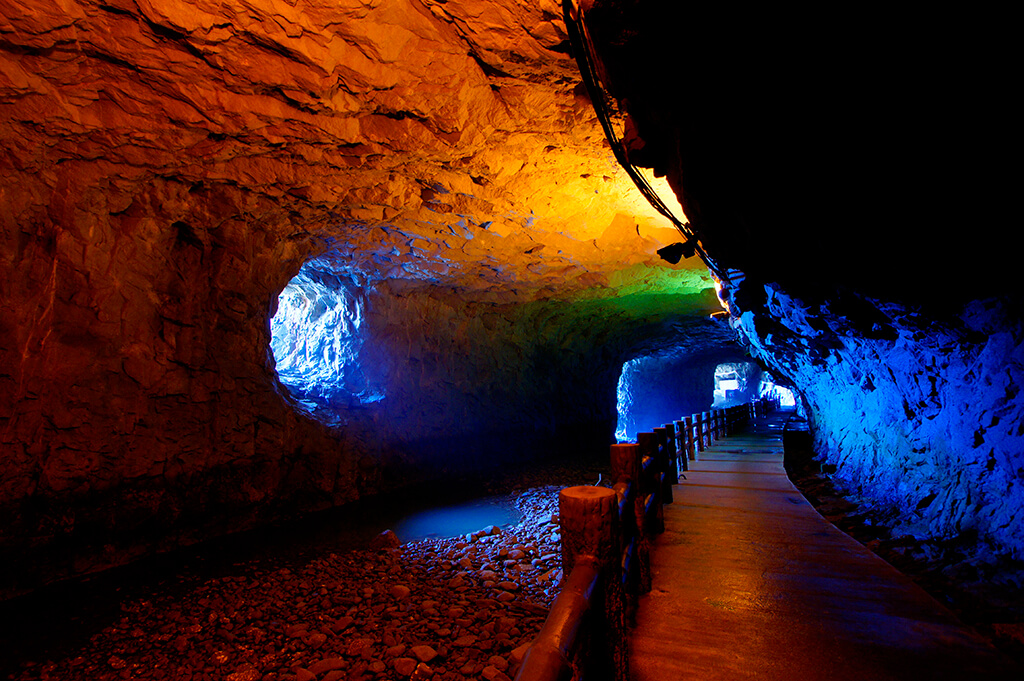
The "Beihai Project," started in 1968 for strategic needs, involved carving out many "underground piers" in the Matsu area, specifically for anchoring guerrilla warfare boats. Now released by the military, they have become a unique "Battlefield Landscape" in the Matsu area. Failing to visit the Beihai Tunnel is like never having visited Matsu.
Beihai Tunnel is located along the Tieban coastline. It is a waterway that cuts deep into the mountain belly, pierces the rock wall, and forms a "well" shape. The waterway is 18 meters high, 10 meters wide, and 640 meters long. At high tide, the water level reaches 8 meters, and at low tide, it is 4 meters. The boardwalk is 700 meters long, and a full walk takes about 30 minutes, but access depends on the ebb and flow of the tides (only accessible at low tide).
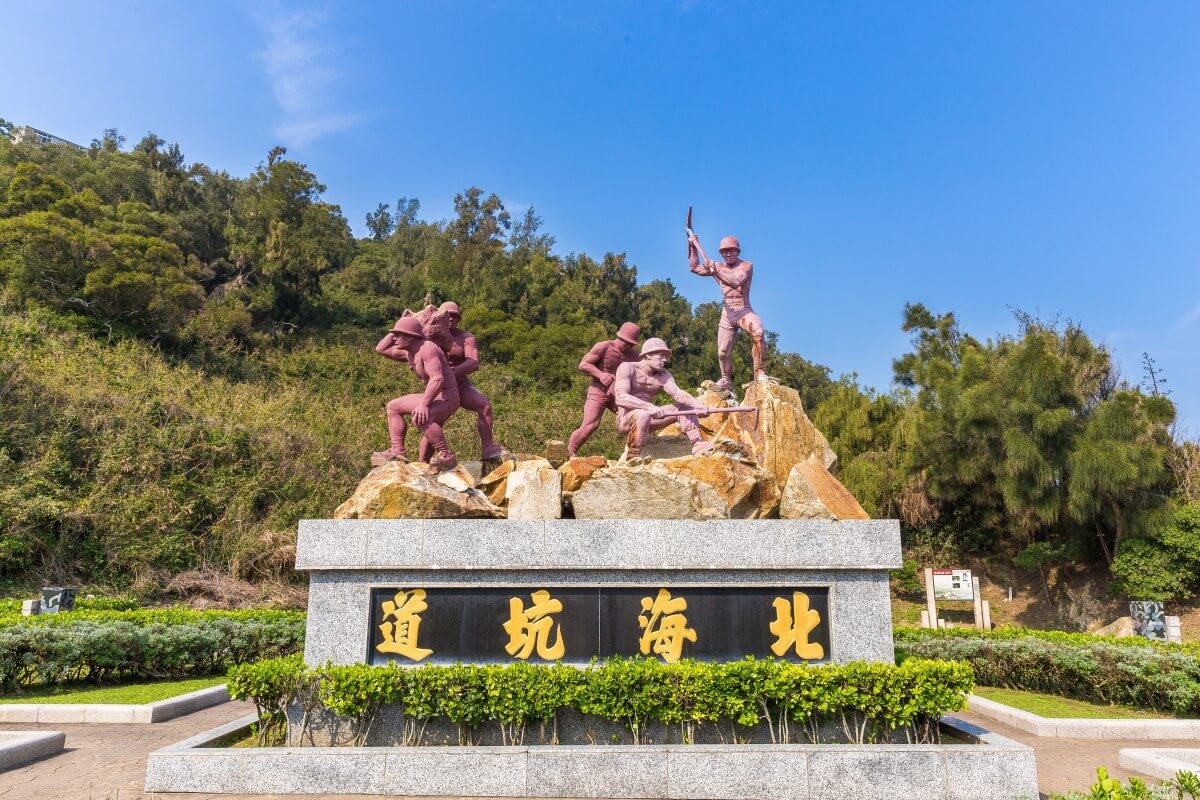
This underground tunnel, capable of accommodating over a hundred landing craft, was considered a highly difficult engineering feat at the time. A mixed force of 2 divisions, 3 infantry battalions, 1 engineer battalion, and 1 dump truck company worked non-stop in three shifts over 820 workdays to complete it. Due to rudimentary construction equipment, aside from explosive blasts, the entire structure was carved into the granite rock face by manpower, chisel by chisel, leading to the sacrifice of many soldiers. The scale and grandeur of the project are extraordinary. In the past, during times of intense military tension, the Beihai Tunnel served as an underground pier for military transport. Today, when people walk into the deep tunnel, the magnificent rock walls and dimly floating reflections inspire awe in visitors.
● Visitor Reminder: Open for viewing, but the tunnel boardwalk requires low tide for walking access. Please check the tidal times!
Dahan Stronghold
Dahan Stronghold is located along the Tieban coastline in the south of Nangan, controlling the waterway toward Juguang, making its strategic position highly significant. The stronghold features a rare multi-story tunnel system, divided into 3 levels. The uppermost level was the company headquarters, the 2nd level housed living quarters and reserve machine gun positions, and the lowest level contained four 90-mm anti-aircraft gun positions, a briefing room, an assembly hall (Zhongshan Room), storage rooms, and other spaces. Do not miss it after completing your visit to the Beihai Tunnel.
Address: In front of the Nangan Visitor Center, Ren'ai Village, Nangan Township.
Daqiu Island
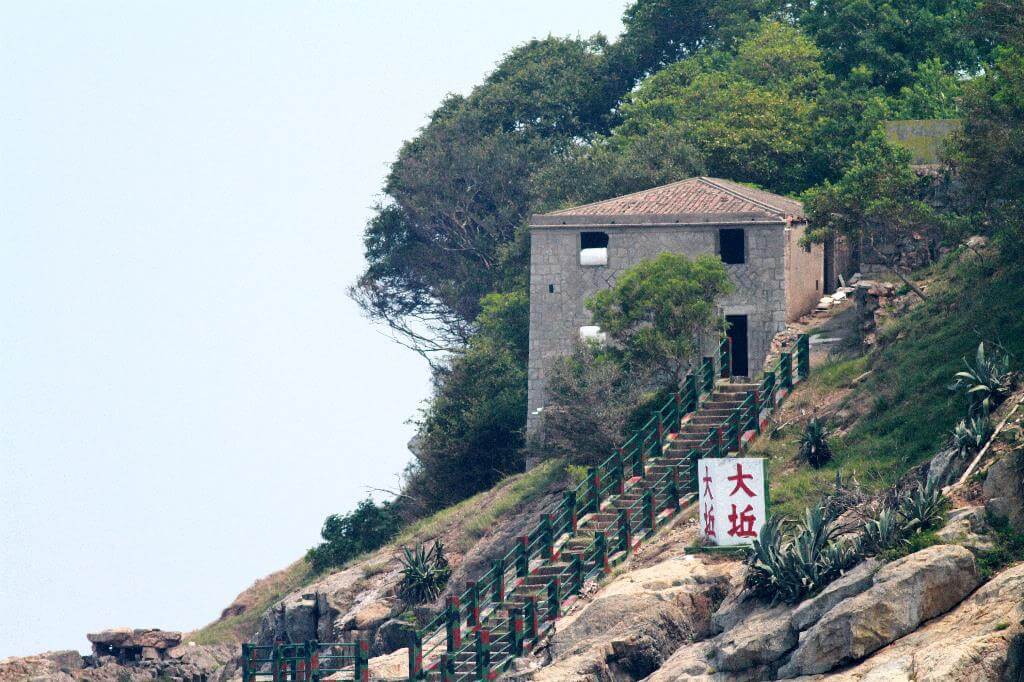
Daqiu is located north of Beigan, adjacent to Gaodeng. It was once inhabited by civilians and garrisoned by the military, but due to emigration and troop withdrawal, Daqiu has become the only accessible uninhabited island in Matsu.
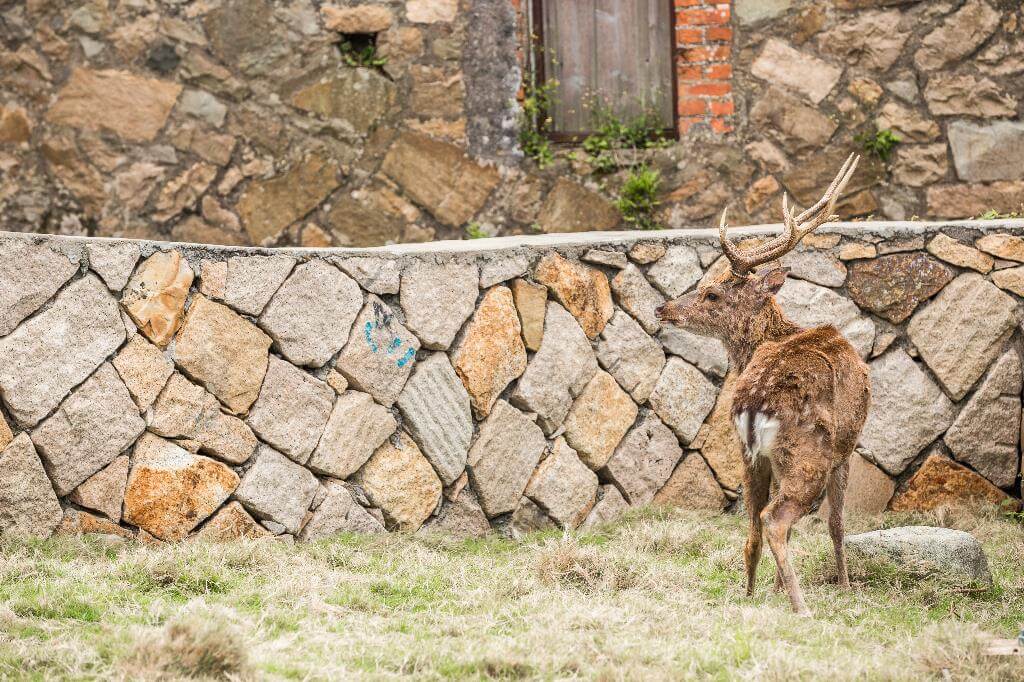
In recent years, following the renovation of the round-the-island trail and the successful conservation of the Sika Deer, Daqiu has transformed from a former "Paradise Isle" into a "Sika Deer Paradise." If you visit early in the morning, you have a good chance of seeing the beautiful Sika Deer. Besides the Sika Deer, in the summer, you can also see terns flying and the coast of mainland China nearby. To get to Daqiu, you must charter a boat, except for the regular flights provided by the County Government during the summer.
War and Peace Memorial Park Theme Hall
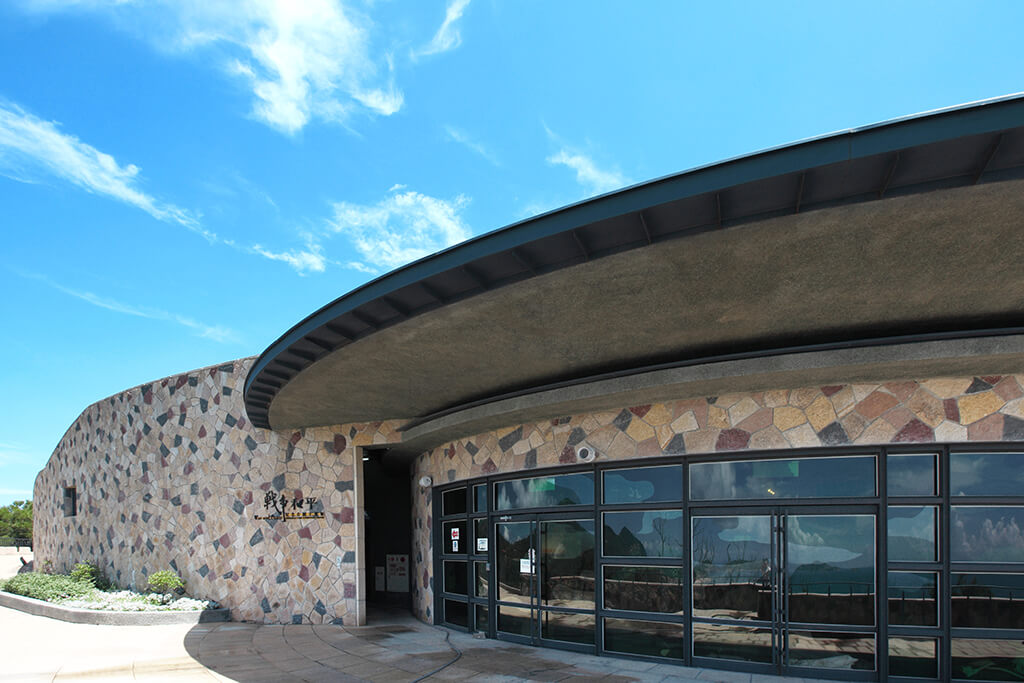
The War and Peace Memorial Park Theme Hall was officially unveiled on March 29, 2010. The hall is situated within the Beigan War and Peace Memorial Park, specifically at Stronghold 12 on Dawo Mountain. On a clear day, the distant mainland coastline can be seen, providing a stark contrast to the tensions of the era of confrontation, which lends a unique perspective to the theme of "War and Peace."
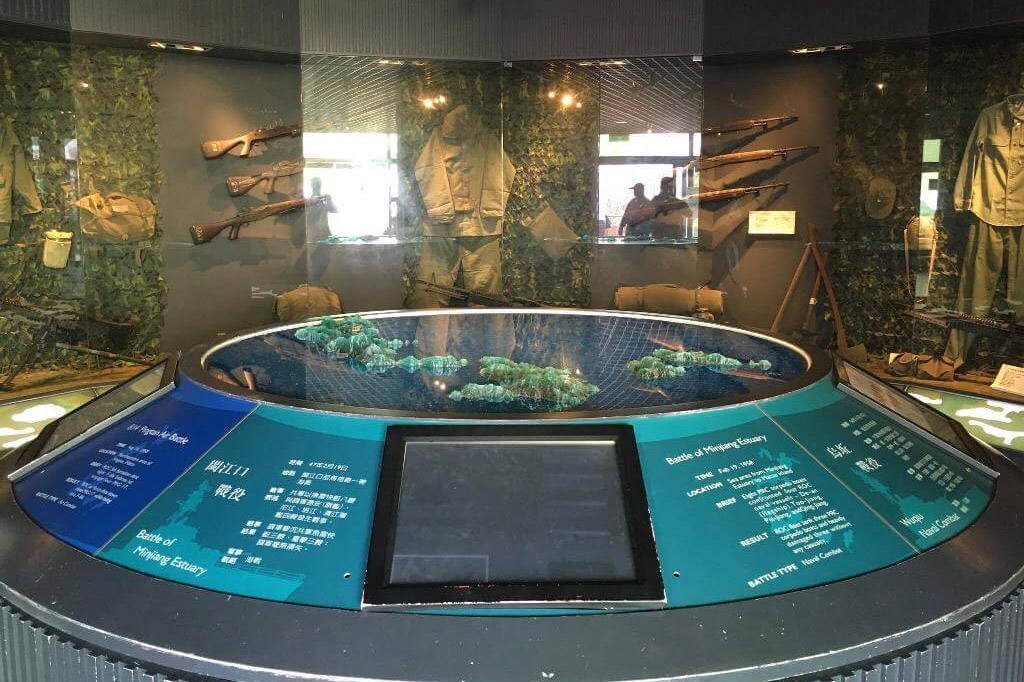
The hall's theme is "Touch & Memories," divided into sections: Origin, Chronicle of Military History, Military Supplies Exhibition Area, and Military-Civilian Ecological Culture. Through text and images, the hall vividly recreates the nearly half-century of military rule in Matsu, showcasing the years shared by the military and civilians, allowing visitors to reflect on the hardships of the wartime residents.
To coincide with the opening of the Theme Hall, the Matsu Administration invited the "True Heroes of Beihai" who carved the tunnels back to Matsu and showed the documentary "Wartime Memories—Old Films of Matsu" in the hall. During the military control period, civilians were prohibited from owning cameras, and only the military could take photos and videos, making these visual records extremely precious. Viewers review the true lives of the military and civilians through the film, lifting the mysterious veil of the battlefield administration.
The War and Peace Memorial Park is not only Taiwan's first museum park themed around "War and Peace" and "Touch & Memories," but by exploring the former strongholds and displaying physical and historical documentation, it serves the purpose of nationwide defense education and recreational learning.
Qiaozai Village
Qiaozai Village is located in a northward-sloping valley on the shady side of Bishan. The valley floor is crisscrossed by ravines formed by rainwater erosion. Small bridges are ubiquitous within the area; in the Matsu dialect, "zai" (仔) means "small," hence the name Qiaozai (Small Bridges). In the past, Qiaozai thrived on fishing and salt trade, serving as a commercial transshipment port. With passenger ships and merchants coming and going, the population exceeded a thousand, making it Beigan's largest village.
Residents began building the Xuantian Shangdi Temple in the 6th year of the Qianlong reign (1741). From the beginning, it was a transit port for mainland commerce, with thriving business and numerous fishing boats. During the mid-Qing Dynasty, disputes arose between merchants from Lianjiang and Changle over surrounding marine resources, leading the Governor-General of Fujian and Zhejiang to erect salt administration steles in Tangqi and Qiaozai to regulate the trade. The village encompasses four areas: Niulanli, Dapingding, Xiananjing, and Nanbianshan. Xiananjing refers to the area where ethnic groups south of Fuzhou first settled, located from the bottom of the Round-the-Island North Road Stele to the Tian Yuanshuai Temple area. Minnan (Southern Fujianese) and Putian people once resided here.
Qiaozai is dotted with temples large and small, holding the title of "Eight Temples in One Village," the most in the county. Besides the unique sight of the "Three Temples in One Body" at the village center, it forms the peculiar phenomenon of having "more gods than people." Here, visitors can admire the characteristics of traditional Matsu temple architecture and visit the Fisheries Exhibition Hall, which displays Qiaozai's past fishing glory. These are all worth stopping for. A simple pier is set up on the left side of Qiaozai Port, which once served as a supply port for the "frontline" islands of Gaodeng and Liang Island north of Beigan. During the height of summer, there are fixed ferry schedules for people to visit Daqiu Island for quiet exploration and viewing.