
4-Day Cycling & Hiking Tour
173
- Last Updated:2025-11-27
- |


Featured Itineraries
Nature、Culture
Itinerary Type
4-day Package
Recommended For
Wildlife watchers, family travelers, photography enthusiasts
Recommended Route
Itinerary Overview
Matsu boasts unique terrain with dramatically undulating and winding roads, posing a challenge for cyclists. The scenic coastal roads offer stunning views at every turn, making cycling in Matsu an incredibly fun experience.
Day1|Zhongzhu Port → Andong Tunnel → Lienyu Yikeng → Yixiantian → Donghai Xiongfeng
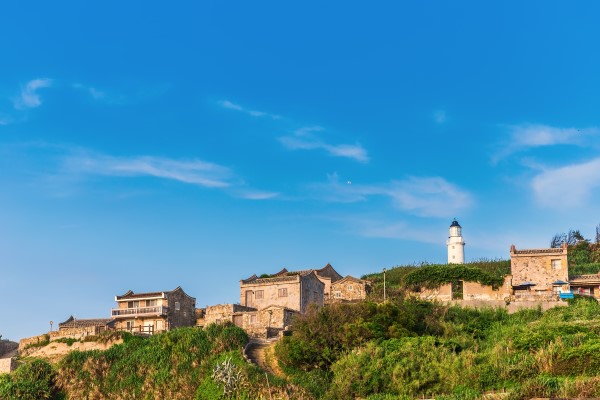
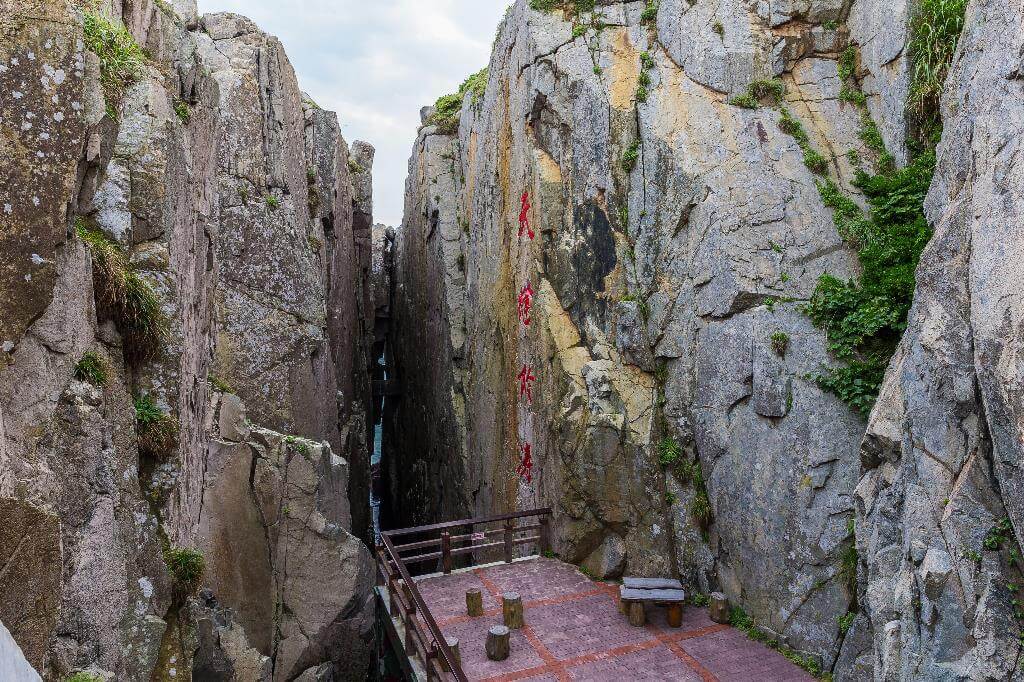
Dongyin and Xiyin in Matsu occupy strategic terrain. Before the military construction era, it was a desolate wilderness. In 1950, the ROC military forces were stationed here, working hard to build it from scratch. In recent years, as domestic tourism promotes energy saving and carbon reduction, the population of cycling tourists has been increasing.
Transportation Information
- Take the Taima Star ferry from Keelung West Pier 2 (sailing time about 10 hours) to Dongyin Township, Matsu.
- Take the first UNI Air flight to Matsu Nangan Airport, then take a taxi to Fu'ao Harbor to catch the Taima Star ferry to Dongyin.
Cost Information
- Taima Star one-way fare: Full fare from Keelung to Matsu Dongyin is approximately NT$1,050.
- Taima Star one-way fare: Full fare from Nangan to Dongyin is approximately NT$350.
Travel Tips
- When traveling to Dongyin Township, which has undulating terrain and steep slopes, be sure to prepare helmets and protective gear to complete a safe and happy trip!
- Dongyin Laoye Hotel (Purchase ferry tickets from Dongyin to Nangan) Contact Number: 0836-77168
- Visitor Tip: Taima Star ferry services may be canceled or change schedules due to seasonal or weather conditions. Please confirm before boarding.
- Xinhua Shipping:
Keelung 02-2424-6868
Nangan 0836-26655
Dongyin 0836-77555 - It is recommended to check whether the day's route is "Matsu first, Dongyin second" or "Dongyin first, Matsu second" when planning your itinerary.
Day2|Meng'ao Port → Fuzheng Beach (Dongju) → Dongju Island Lighthouse (Dongju) → Dapu Settlement (Dongju) → Qingfan Port (Xiju) → Xiqiu → Ledao'ao → Sheshan (Xiju) → Caipu'ao (Xiju)
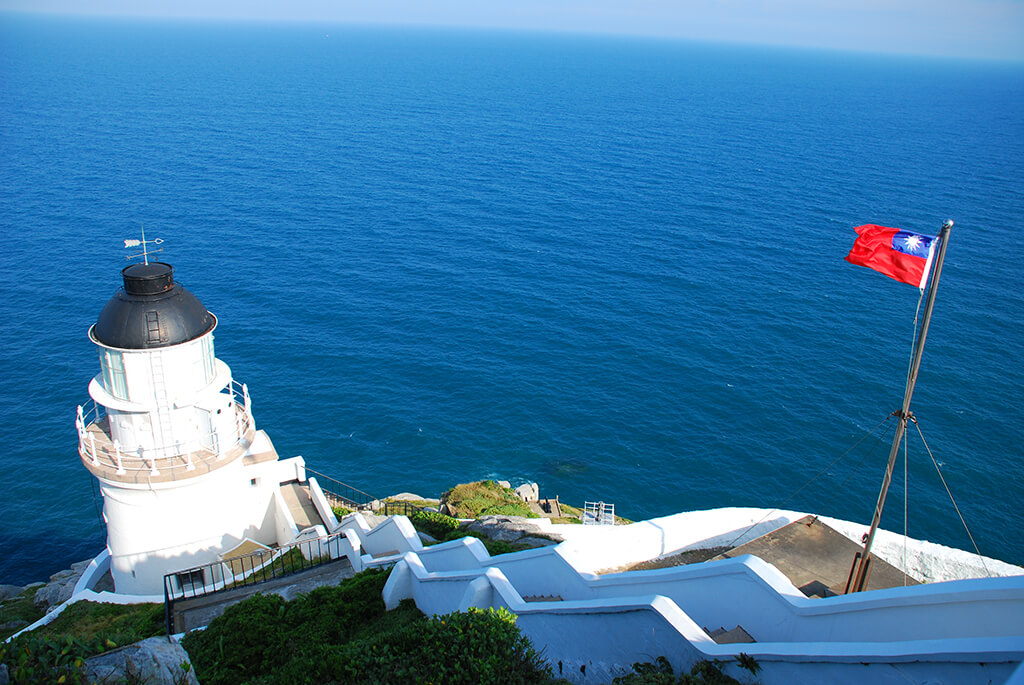
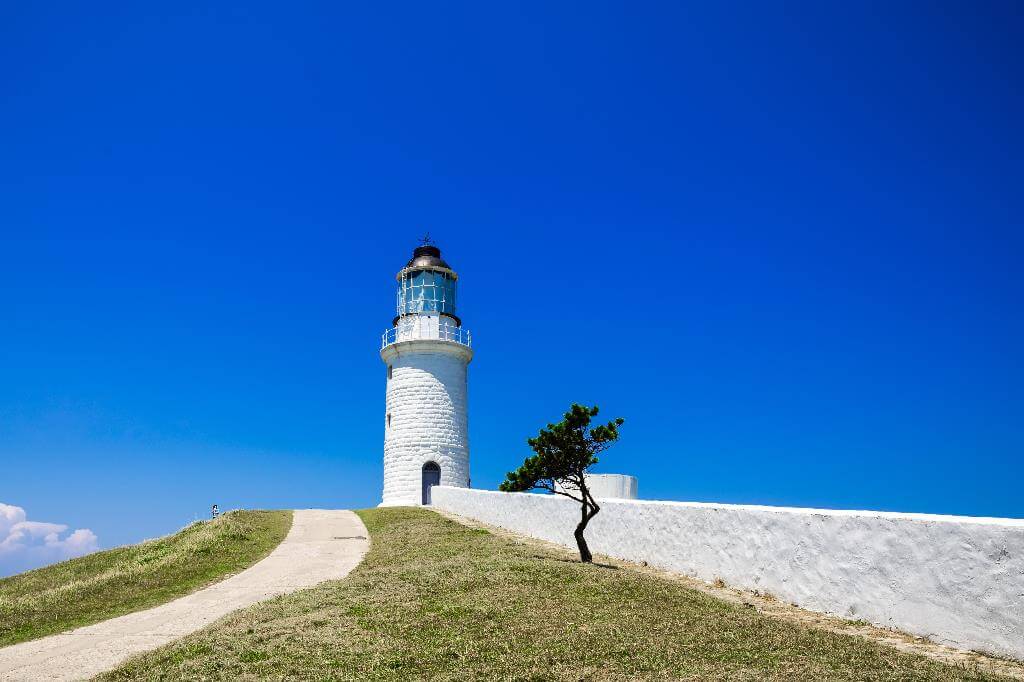
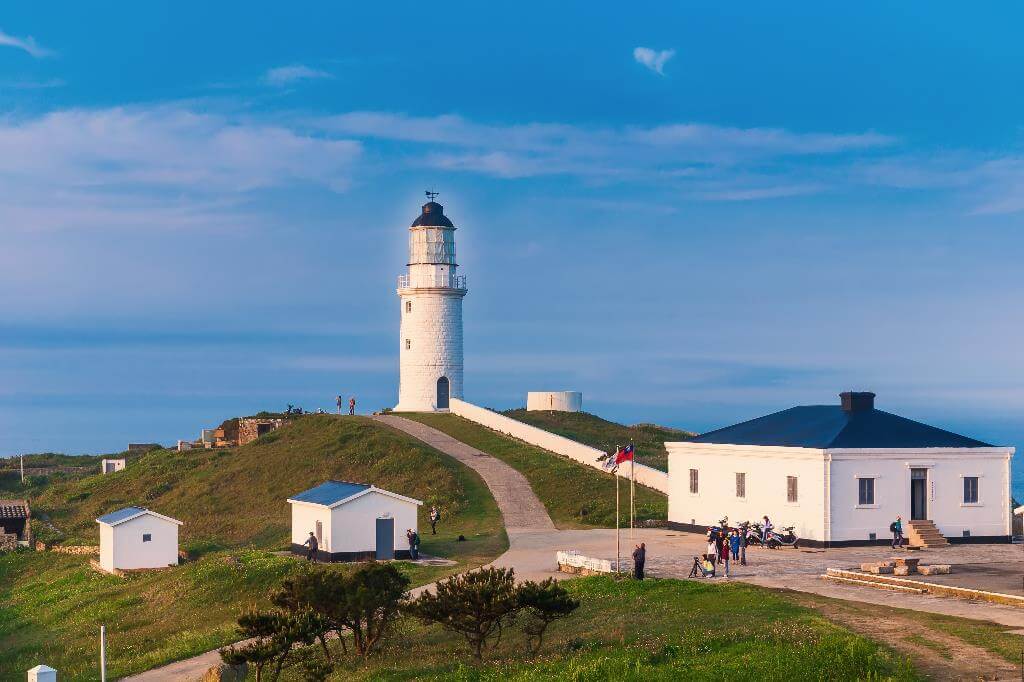
Dongju's terrain is slightly narrow from north to south, surrounded by outlying islets such as Lin'ao, Xiniu, and Zhongliu. The total area is 2.86 square kilometers, slightly larger than Xiju. Due to the relatively flat terrain, Meng'ao Beach, formed by river sand flowing from the Min River, is not only Dongju's maritime gateway but also a tourist attraction. Fuzheng Village on the island has a vast intertidal zone suitable for water play and clam digging, with Dongju clams being particularly famous. At the northeast end of the island stands a Lighthouse Mountain, 64 meters high. Atop the mountain sits a British-style lighthouse built during the Tongzhi reign of the Qing Dynasty. It is a National Monument and a must-visit attraction for tourists. The most special feature of the lighthouse is a 30-meter-long white low wall connecting the lighthouse and the office. Regular tourists often do not understand the function of this white wall. In fact, it is a windbreak wall. Since the lighthouse is located on high ground with strong winds, this wall allowed staff to crouch and move quickly during strong gales so that the kerosene lamps in their hands would not be blown out.
Transportation Information
- Passengers may depart from Zhongzhu Harbor (Dongyin) and take the Tai-Ma Star ferry (approx. 2 hours) to Nangan. After arriving at Nangan Harbor, travelers may continue to Juguang Township.
- Ferries from Nangan to Juguang operate daily at 07:00, 11:00, and 14:30.
- Odd-numbered months:
Fuao Harbor (approx. 50 minutes) → Xiju;
Xiju (approx. 10 minutes) → Dongju;
Dongju (approx. 50 minutes) → Fuao Harbor. - Even-numbered months:
Fuao Harbor (approx. 50 minutes) → Dongju;
Dongju (approx. 10 minutes) → Xiju;
Xiju (approx. 50 minutes) → Fuao Harbor. - Ferry departure times from Juguang back to Nangan vary depending on whether Xiju or Dongju is served first in odd or even months. Please refer to on-site port announcements or check official routes and the latest ferry schedules in advance.
Cost Information
- Juguang one-way ferry fare is approximately NT$250.
- Dongju to Xiju one-way ferry fare: Full fare NT$80, Half fare NT$40.
- Cycling distance between attractions is about 10 to 20 minutes by bike.
Travel Tips
- Accommodation and dining on the islands are available in Qingfan Village and Tian'ao Village in Xiju, and Daping Village, Dapu Settlement, and Fuzheng Village in Dongju.
Day3|Fu'ao Port → Fuqing Trail (Nangan) → Qingshui Village → Zhushan Power Plant → Matsu Tianhou Temple
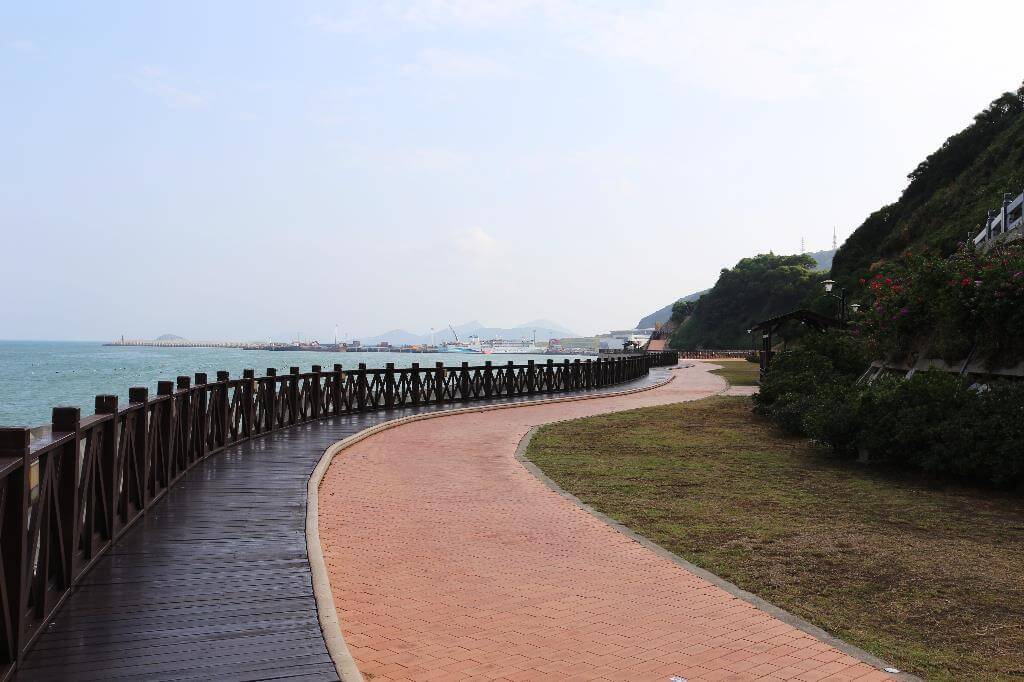
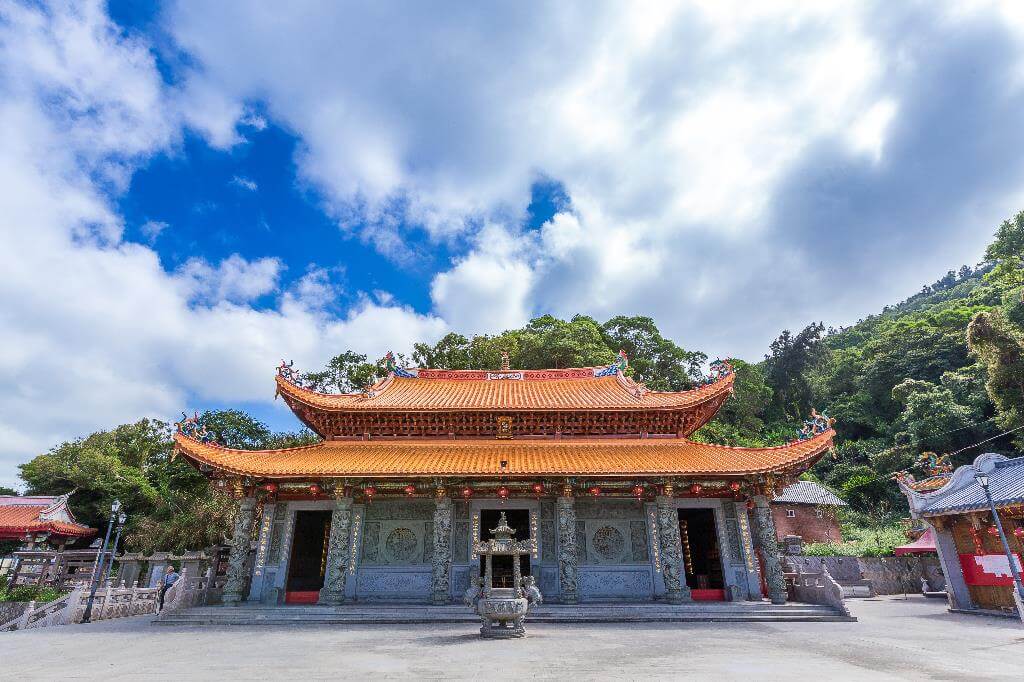
This area has the flattest terrain in Matsu and already features a bicycle lane. Starting along the coastal line, take the Fuqing Trail connecting Fu'ao to Qingshui. Pass by the Zhushan Power Plant, Matsu's newest thermal power plant. Heading towards Zhuluo Village to Matsu Port, there is a "Sword of Matsu" landmark in Matsu Village. Up the stairs next to it is the incense-filled Matsu Tianhou Temple. Legend has it that the mortal body of Mazu (Lin Moniang) is buried here. Every holiday, many soldiers and tourists can be seen worshipping at the temple. In recent years, the Mazu Religious Park has been planned, featuring a 28.88-meter-high Mazu statue, aiming for a Guinness World Record to become the glory of Matsu.
Transportation Information
- For Nangan Island, Matsu's largest island by area, you can choose to take a taxi or rent a scooter.
Cost Information
- Taxi charter is available for about NT$500 per hour.
- Car rental is about NT$2,000 per day.
- Scooter rental is about NT$500 per day. The distance between attractions is about a 10-minute drive.
Travel Tips
- Cycling distance between attractions is about 10 to 20 minutes by bike.
Day4|Fu'ao Port → Baisha Port → Banli Village → Qinbi Village (Beigan) → Tangqi Village
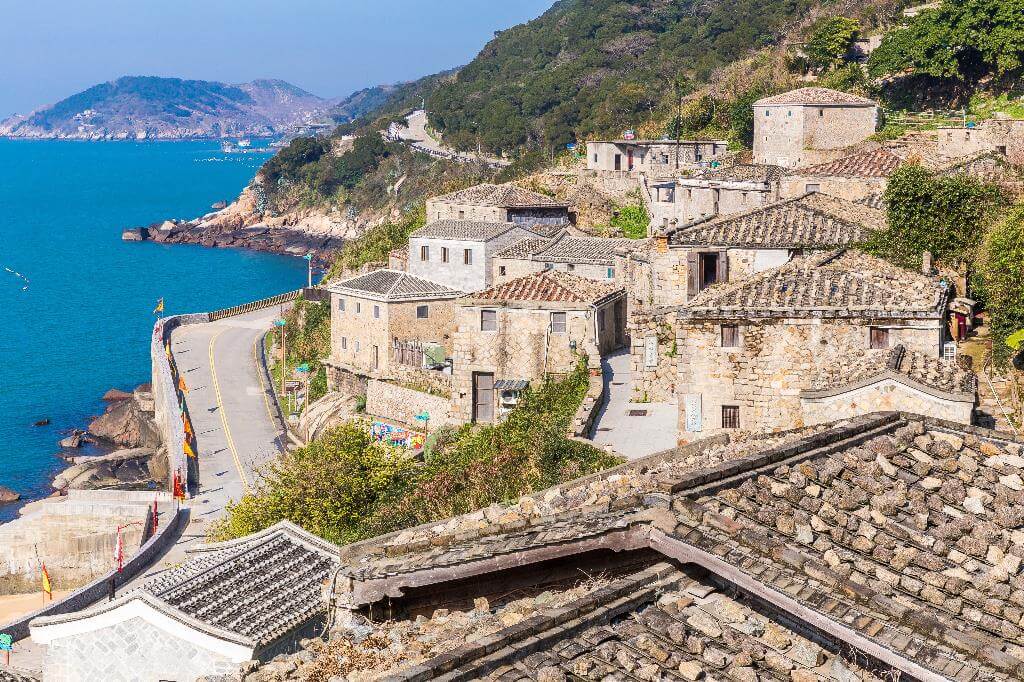
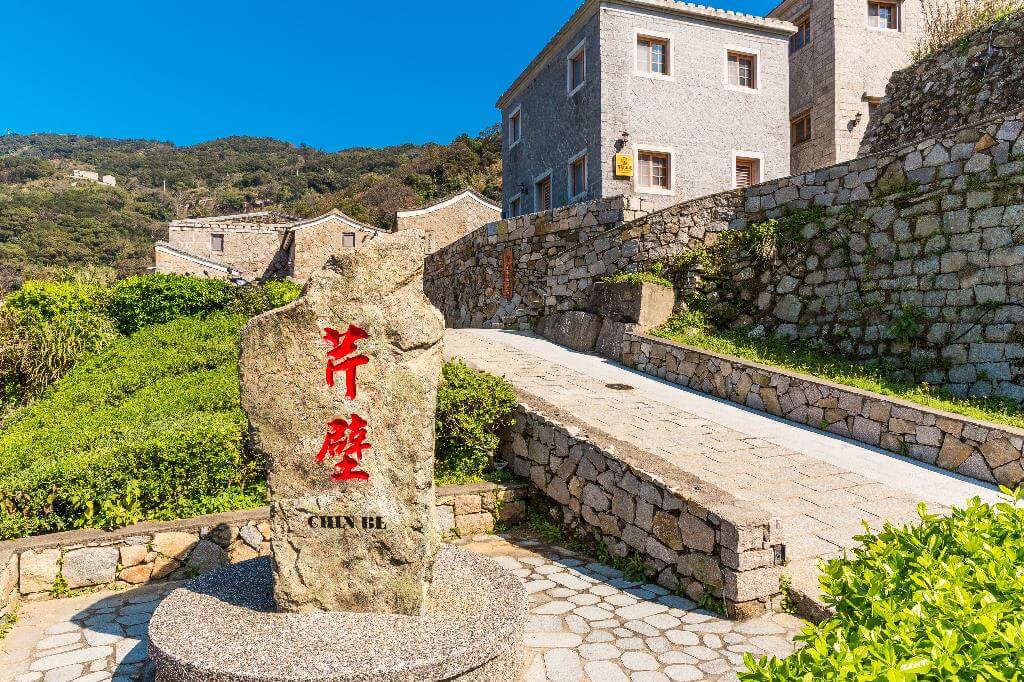
Qinbi Village, known as the "Matsu Mediterranean," derives its name from a protruding reef in front of the village bay. Because it looks like a large sea turtle, residents call it "Qin-jian" (Little Qin). The seawater around the reef is clear as a mirror, hence it is also called "Jinggang" (Mirror Port). Looking from the sea towards the land, the village seems inlaid on the mountain wall behind "Qin-jian," hence the name "Qinbi" (Qin Wall). Qinbi is the most representative settlement of Min-Dong architecture in Matsu. It is extremely well-preserved and is favored by architectural, cultural, and artistic circles both domestically and internationally. Banli is called "Pingli" in the Fuzhou dialect, which later became Banli due to its pronunciation. It has the largest Banli Beach in Matsu. In summer, you can play in the water and tread the waves; in winter, there are the "Three Treasures of Banli" (cabbage, radish, and napa cabbage). Qinbi, formerly known as Jing'ao Port, features traditional Min-Dong architecture. You don't need to go abroad to see Mediterranean scenery or the rare stone city of Provence in Matsu. Tangqi Village is the Ximending of Beigan and the food street of Matsu. It offers "Granny's Fish Noodles" and delicious Golden Dumplings, which are eagerly reported by the media. Also indispensable is the "Qimasu" (Horse-Starting pastry), which was highly praised by Mr. Chiang Ching-kuo when he visited Matsu and was later named "Matsu-su."
Transportation Information
- Cycling or Hiking
Cost Information
- Bicycle shipping fee is about NT$50.
- Cycling distance between attractions is about 10 to 20 minutes by bike.
Travel Tips
- Accommodation and dining on the island are available in Tangqi Village, Qiaozai Village, Banli Village, etc.
※The above ticket prices and ferry/flight times are for reference only. Please refer to actual announcements.